
A gully trap is the small grated dish outside most New Zealand houses where the kitchen, laundry and sometimes bathroom wastes discharge before entering the sewer. Below the grate is a U-shaped bend that holds water, which stops sewer gas rising. It also acts as a relief point: if the drain downstream blocks, wastewater spills out of the gully outside instead of coming up inside your home.
Most Auckland owners never think about their gully trap until it overflows into the garden or starts to smell. It is a simple fixture, but it does two important jobs, and when it misbehaves it is usually telling you something about the drain beyond it.
This guide explains how a gully trap works, why it overflows or smells, what you can safely do yourself, the height rules that matter, and where your responsibility ends and Watercare's begins.
What is a gully trap and what does it do?
A gully trap is a water-sealed fitting at ground level, usually against an outside wall near the kitchen or laundry, that collects waste pipes and passes the water into the main drain. The water sitting in its bend forms a seal that blocks sewer gases and keeps pests out of the pipework.
Its second job is safety. Because the gully dish is the lowest open point on the drain, a blockage further down makes wastewater overflow here, outside, rather than through your shower or floor waste. Drainlayers call a gully used this way an overflow relief gully. Watercare describes a well-made gully trap as one that can stop wastewater overflowing into your home if a pipe is blocked.
If yours is cracked, sunk into the garden or keeps playing up, our gully trap repairs page explains the fixes we carry out.
Why is my gully trap overflowing?
An overflowing gully trap almost always means the drain past the trap is blocked, and the gully is doing its job by releasing the backed-up water. The usual culprits are tree roots in old joints, fat set hard in the pipe, wet wipes, or a collapsed section of old earthenware.
Rain makes it worse. If a roof downpipe empties into or beside the gully, or the grate sits level with the lawn, stormwater pours into the wastewater system and the gully floods during heavy rain. Watercare asks Auckland owners to keep gully traps raised and covered by a grate for exactly this reason.
If the overflow keeps coming back, clearing the trap alone will not fix it. Our blocked drains team clears the line and finds the cause.
- Overflows after a shower or the washing machine: a blockage in the drain downstream
- Overflows only in heavy rain: stormwater getting in, or a low or uncovered gully
- Overflows plus gurgling toilets: a main line blockage that needs attention quickly
Why does my gully trap smell?
A smelly gully trap usually means its water seal has dried out, cracked or been bypassed, so sewer air is escaping. A gully serving a spare laundry tub or a rarely used basin can lose its seal in a dry Auckland summer simply through evaporation.
Other causes include food scraps and grease rotting in the dish, a cracked trap leaking below ground, or a waste pipe that no longer discharges properly into the gully. Pour a bucket of water into the dish first. If the smell goes, the seal had dried out. If it returns within days, the trap is probably cracked or broken and needs a closer look.
Gully trap playing up?
Cheeky's Plumbers clears, raises and replaces gully traps across Auckland, and shows you camera footage if the drain behind it is the real problem.
How do I unblock a gully trap?
You can often clear a gully trap yourself if the blockage sits in the dish or bend. Wear gloves, lift the grate, scoop out leaves, food and fat, then flush with a bucket of hot (not boiling) water.
Stop there if the water will not drain or keeps rising. That means the blockage is past the trap, in the drain itself, and poking at it with a garden hose can push it further down. A plumber clears these lines with a drain machine or jetter, and a camera then shows whether roots or a broken pipe caused it. Our guide on how to unblock a drain covers what is safe to try at each fixture.
- Gloves on, grate off, clear the dish by hand
- Flush with a bucket of hot tap water
- Avoid caustic drain cleaners in a gully; they can splash and rarely shift roots
- Call a plumber if water stays high or the overflow returns
How high should a gully trap sit above the ground?
BRANZ guidance says the rim of the gully dish should sit at least 25 mm above a paved surface and 100 mm above an unpaved one, so surface water cannot run in. Where the gully is the overflow relief point, its rim must also be at least 150 mm below the overflow level of the lowest fixture it protects, such as a shower tray.
Those two rules work together: high enough to keep rain out, low enough to overflow before the inside fixtures do. Raised gardens, new paving and years of topsoil often leave older gullies sitting too low. In Grey Lynn, where many villas date from the 1880s Surrey Hills subdivision, original earthenware gullies are often buried under decades of garden. New homes are not immune either. In Millwater at Silverdale, built mostly between 2010 and 2019, gullies are sometimes boxed in by decks or fences, which BRANZ notes still need clear access.
Who is responsible for a gully trap, me or the council?
In Auckland the gully trap is the property owner's responsibility. Watercare's guidance puts private pipes and plumbing on your property with the owner, and its own diagrams show the gully trap on the private side of the connection.
Watercare looks after the public wastewater network. If a camera inspection shows a blockage is in the public main rather than your pipes, Watercare should be told. A CCTV drain inspection gives you footage that shows exactly where the fault sits, which settles the question quickly on shared and cross-leased sites as well.
Cheeky's Plumbers clears, raises and replaces gully traps across Auckland, including on older streets in Grey Lynn where the combination of clay soil, mature trees and century-old drains keeps our blocked drains Grey Lynn crew busy.
The short answer
A gully trap is a water-sealed outdoor drain fitting that blocks sewer gas and gives a blocked drain somewhere safe to overflow. If it overflows, look downstream for the cause. If it smells, check the seal. If it sits too low, have it raised.
If your gully keeps overflowing or smelling, Cheeky's Plumbers can clear it, film the drain and give you a fixed price for any repair. You can book online at a time that suits.
Frequently Asked Questions
Can I put a grate over my gully trap?
Yes, and you should. Watercare asks owners to keep gully traps covered by a grate to stop leaves, debris and rainwater getting into the wastewater network. The grate must lift freely so it can release water if the drain backs up.
Should my downpipe empty into the gully trap?
No. Roof water belongs in the stormwater system. Watercare says downpipes should not connect to its wastewater network, because rainwater in the sewer causes overflows. If a downpipe discharges into your gully, have it redirected.
Can I build a deck over my gully trap?
Not without leaving access. The gully needs to stay visible and reachable so it can be cleaned and so it can overflow safely. A removable hatch in the deck is the usual solution.
Do all NZ houses have a gully trap?
Most houses with kitchen and laundry wastes discharging outside have one. Some modern homes and apartments use other overflow arrangements, but an outdoor gully is still very common on Auckland houses.
How much does gully trap repair cost?
It depends on whether the trap needs clearing, raising or replacing, and how deep and accessible it is.
Our Services
Gully Trap Repairs
Overflowing, cracked, smelly or buried gully traps cleared, repaired and raised across Auckland.
View service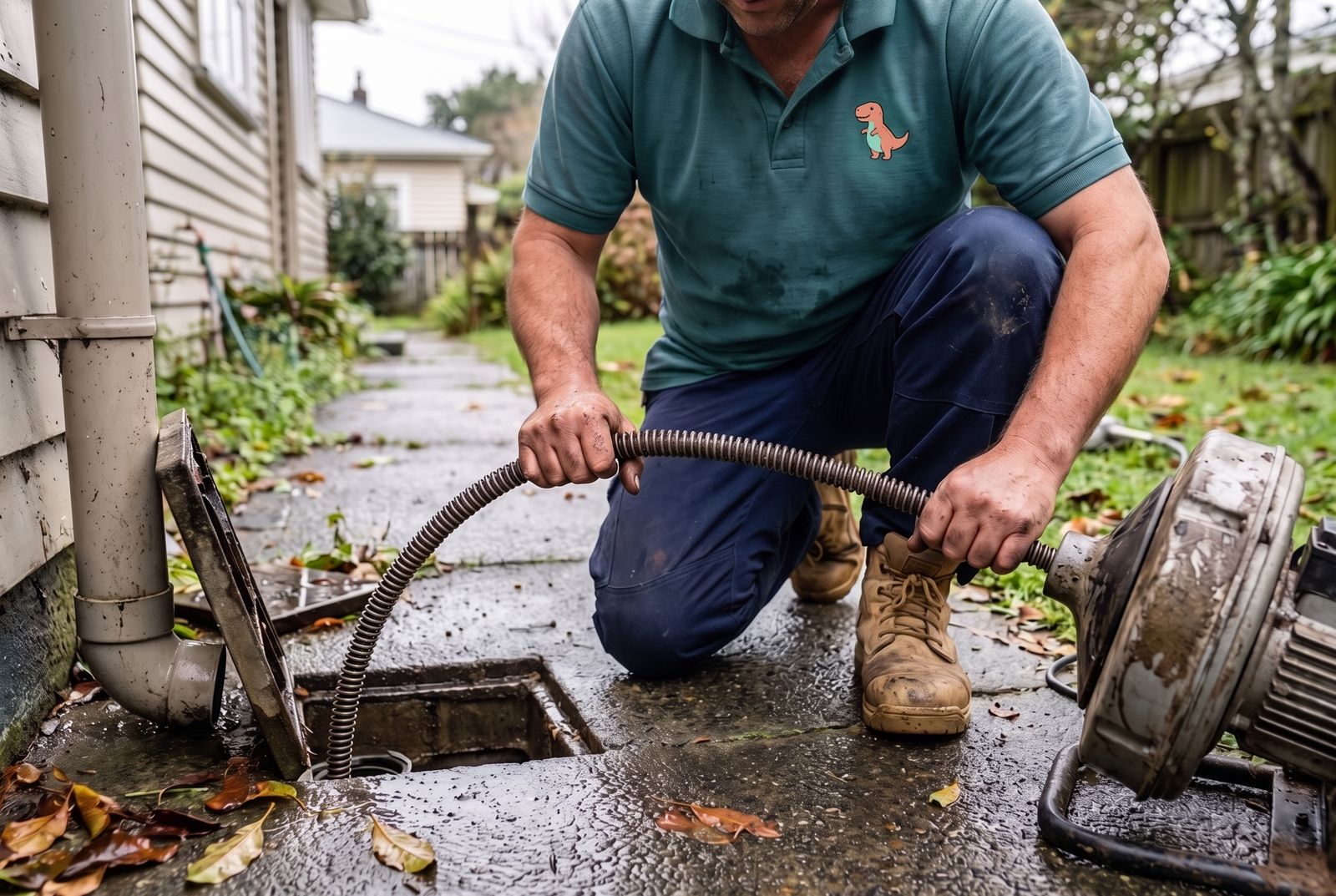
Blocked Drains
Blocked sinks, showers, toilets and gully traps cleared fast.
View service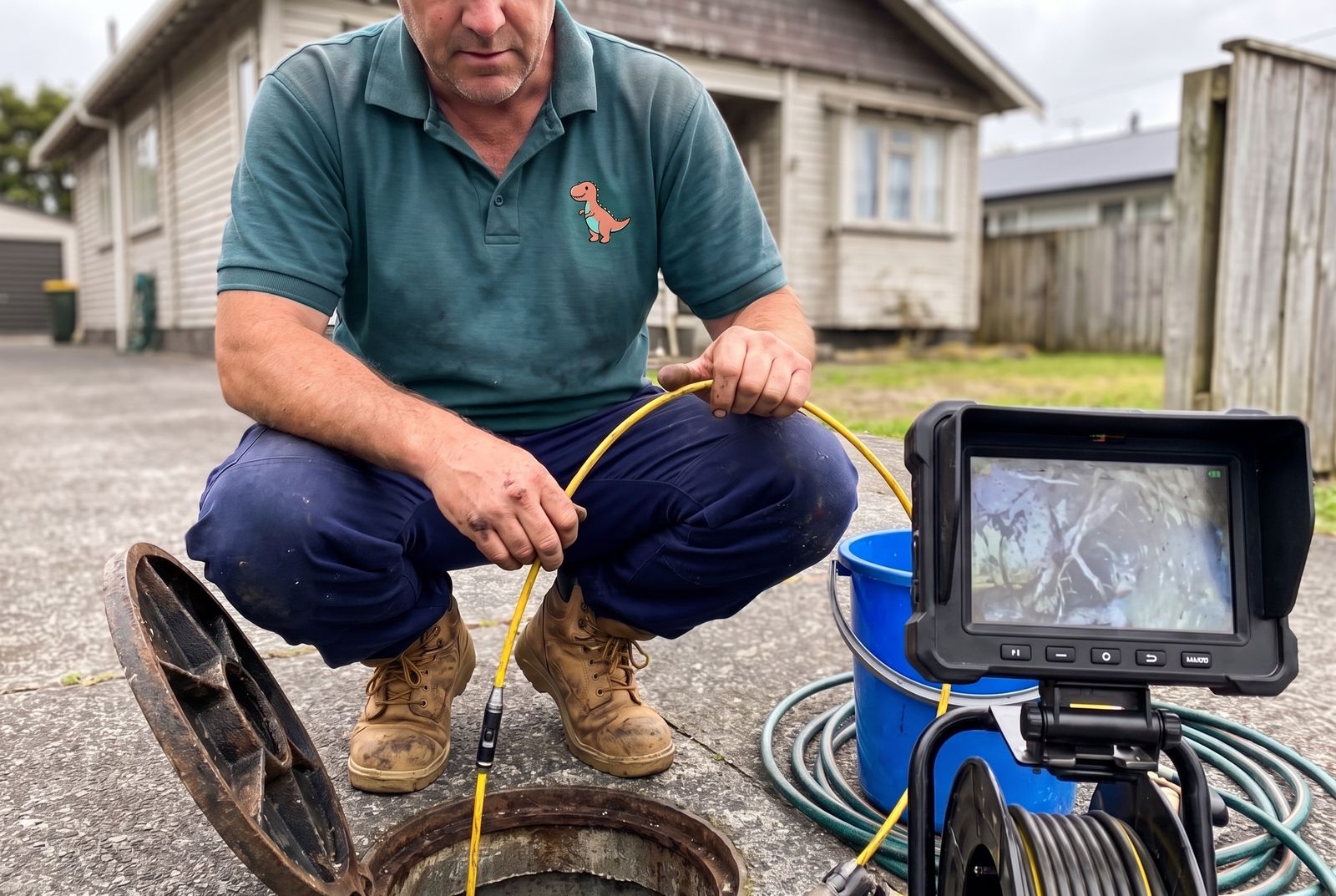
CCTV Drain Inspection
Our waterproof drain cameras show exactly what is happening inside your pipes: roots, cracks, sags, collapsed sections and illegal connections.
View serviceRead Next
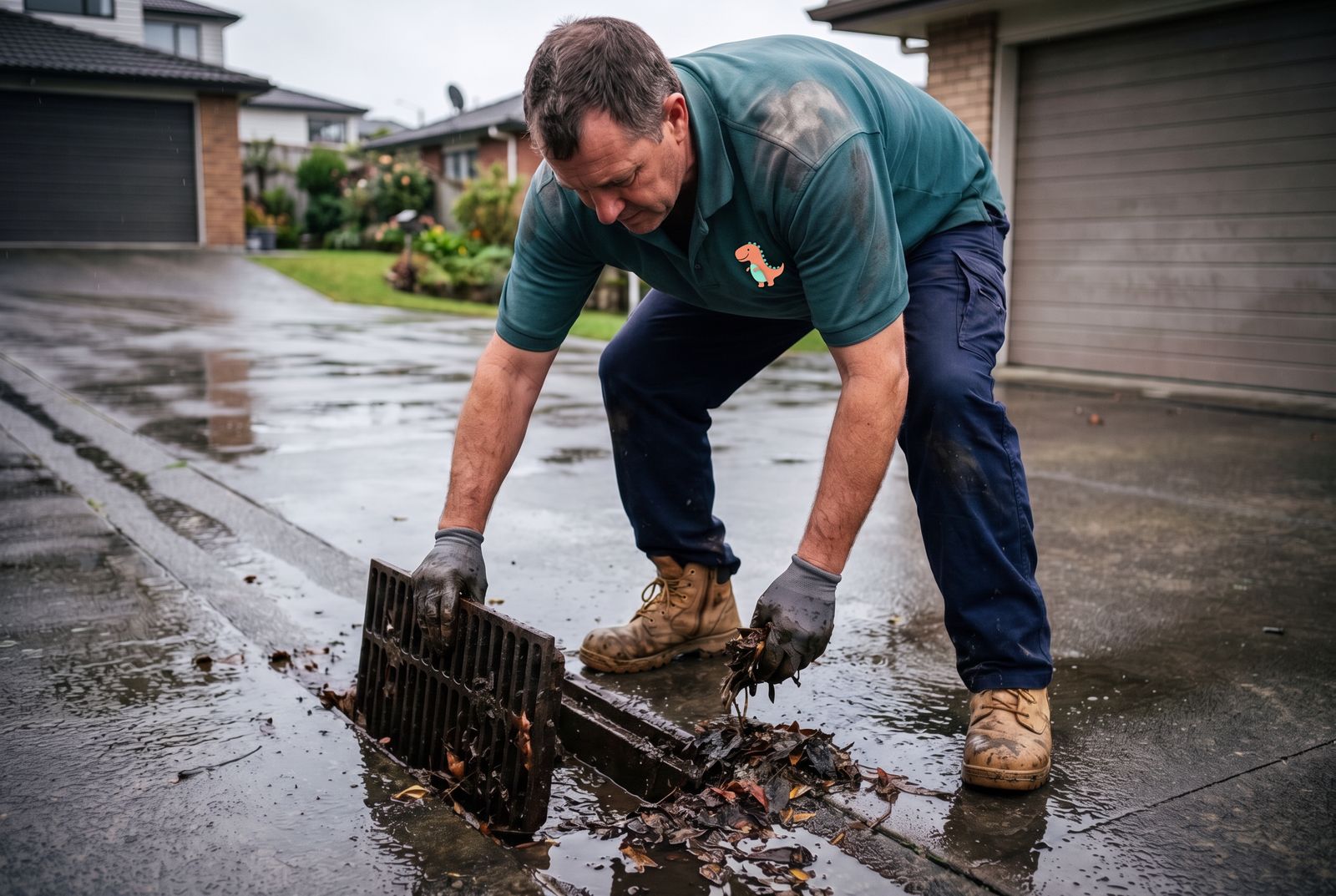
How to Unblock a Drain: Kitchen, Shower and Outside Drains
The easiest way to unblock a drain is mechanical: remove the plug or grate, pull out hair or debris, then use a plunger...
Read article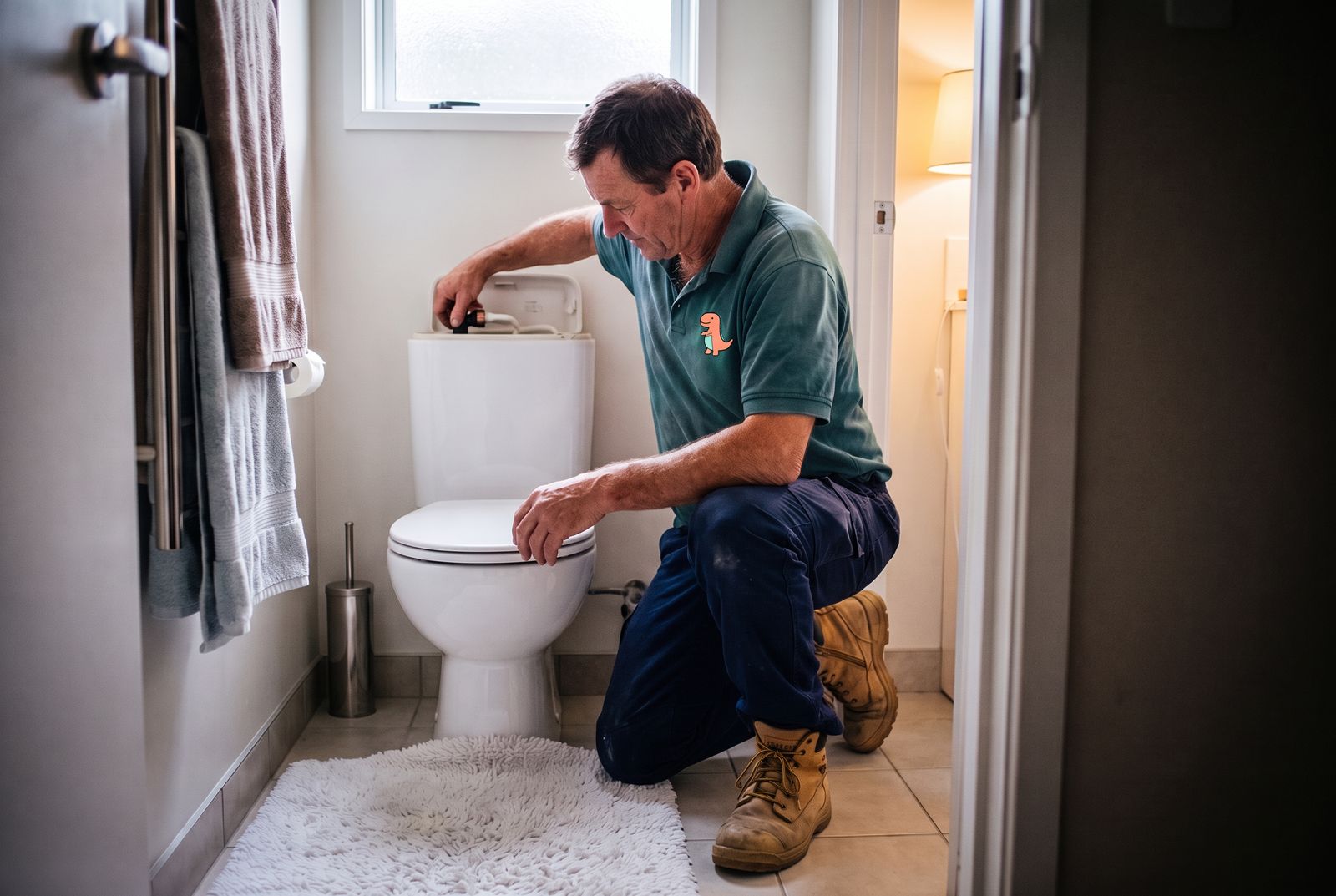
How to Unblock a Toilet (With or Without a Plunger)
To unblock a toilet, stop flushing, then use a flange plunger with firm push and pull strokes for 15 to 20 seconds at a...
Read article
Best Water Filter for NZ Homes: Town Supply vs Tank Water
The best water filter for a NZ home depends on where your water comes from. On treated town supply, such as most of...
Read articleSources
More plumbing advice from the Cheeky's Plumbers team.
