
The easiest way to unblock a drain is mechanical: remove the plug or grate, pull out hair or debris, then use a plunger or a cheap plastic drain snake. Kitchen sinks often clear after cleaning the trap under the bench. If several fixtures are slow, the outside gully is full or water keeps coming back, the blockage is in the main drain and needs a plumber.
Most household drain blockages are close to the plughole and can be cleared with simple tools in under half an hour. The skill is matching the method to the fixture and knowing when the problem has moved beyond your reach.
This guide goes fixture by fixture through the kitchen, shower and outside drains, looks honestly at home remedies and chemical cleaners, and explains what plumbers use and the warning signs of a damaged pipe.
What is the easiest way to unblock a drain?
The easiest way is to remove the blockage physically rather than dissolve it. Most blockages are hair, soap scum or food within the first half metre of pipe, where hands, a plunger or a flexible plastic drain snake can reach.
Start simple and work up. Each step below is cheap and low risk, and you can stop as soon as the water runs freely.
- Remove the plug, strainer or grate and clear anything visible
- Run hot tap water for a minute to see how fast it drains
- Plunge, covering any overflow hole with a wet cloth so the pressure goes down the pipe
- Feed in a plastic drain snake, twist and pull back out slowly
- Clean the trap under basins and sinks if it is accessible
- Stop if more than one fixture is affected or water rises elsewhere
Does baking soda and vinegar unblock a drain?
Baking soda and vinegar can freshen a slow drain, but it rarely clears a real blockage. The fizz is a mild reaction that loosens a little soap film; it has no power to shift a wad of hair, set fat or a root.
It is a reasonable first try for a slightly slow basin. Pour half a cup of baking soda down, follow with a cup of vinegar, wait 15 minutes and flush with hot tap water. If nothing changes after one go, move on to a plunger or snake rather than repeating it.
How do I unblock a kitchen drain?
Kitchen sinks block mainly with fat and food scraps that set hard as they cool, so the trap under the sink is the first place to look. Put a bucket underneath, unscrew the trap by hand, clean it out and refit it with the washers seated properly.
If the trap is clear, the blockage is further along the waste pipe. A drain snake fed in from the trap opening often reaches it. Prevention matters most here. Watercare asks households to keep fats, oils and grease out of the sink, scraping plates into the bin and letting cooking fat cool so it can be thrown away rather than poured down.
Drain still blocked?
Cheeky's Plumbers clears blocked drains from the outside access point, shows you the cause on camera if it keeps happening and agrees the price before starting.
How do I unblock a shower drain?
Shower drains almost always block with hair bound together by soap. Lift the grate, pull out what you can with gloved fingers, then use a plastic hair snake with barbs to hook out the rest from deeper in the waste.
A plunger works on a shower waste as well, as long as you have a good seal. Avoid pouring boiling water into a shower base, because it can damage some plastic wastes and sealants. A drain hair catcher costs very little and saves doing this every few weeks.
How do I unblock a drain outside?
Outside, start with the gully trap. Clear leaves and food from the dish with gloves on and flush with a bucket of water. If the gully stays full or overflows when water runs inside, the blockage is in the drain beyond it, and that is usually work for a plumber with the right machine.
Our guide on what a gully trap is explains why an overflowing gully is the drain's warning light. In older suburbs, roots are the common culprit. Onehunga's early villas and 1920s bungalows sit among mature trees, and Henderson's low ground near Henderson Creek has rhyolitic clays and peat that move with the seasons, both conditions where old joints let roots in. Our article on tree roots in drains explains why.
What is the best drain cleaner in NZ?
The best drain cleaner is a mechanical one: a plunger and a plastic drain snake beat any bottle for most household blockages, and they cost little and last for years.
Chemical cleaners have a place for hair and soap in a slow basin, but use them carefully. Caustic and acid products can burn skin and eyes, they should never be mixed, and they do nothing to roots or broken pipes. Never plunge after adding a chemical. Enzyme cleaners are gentler and help keep drains fresh but act slowly. If a drain blocks repeatedly, the bottle is treating a symptom, and a proper drain cleaning visit will clear the line and show you why.
| Method | Good for | Not good for |
|---|---|---|
| Plunger | Basins, sinks, showers, toilets | Main line or outside drain blockages |
| Plastic drain snake | Hair in showers and basins | Fat set hard deep in the pipe |
| Baking soda and vinegar | Freshening slightly slow drains | Any real blockage |
| Chemical cleaner | Hair and soap in a slow basin | Toilets, roots, broken pipes |
| Enzyme cleaner | Routine maintenance and smells | Clearing a full blockage quickly |
What do plumbers use to unblock drains?
Plumbers use electric drain machines with cutting heads for most blockages, high-pressure water jetting for fat, silt and roots, and a CCTV camera to see what caused the problem.
A drain machine spins a steel cable through the pipe and cuts through hair, wipes and fine roots. Hydro jetting blasts water through the line to scour fat and debris from the pipe walls, which is why it outlasts a quick clear in a greasy kitchen line. Cheeky's Plumbers clears most domestic blockages from an outside access point, so there is rarely any need to lift a toilet or open a wall.
What are the signs of a collapsed drain?
A collapsed or broken drain usually shows up as blockages that keep returning in the same place, often with other clues on the surface.
If you notice these signs, clearing the line again will not fix it. A camera inspection shows the break, and the repair can then be targeted. Cheeky's Plumbers carries out drain repairs across Auckland, and our blocked drains Onehunga service can usually get there the same day.
- The same drain blocking every few weeks or months
- Sewage smells outside with no obvious cause
- A soft, sunken or unusually green patch of lawn along the drain line
- Cracks in paths or driveways over the pipe
- Rats or other pests around the house
Frequently Asked Questions
Can I pour boiling water down the drain?
Hot tap water is safer. Boiling water can soften PVC joints, crack porcelain and damage some shower bases. It may help with a little soap scum, but it will not shift hair, set fat or roots.
Is it safe to use a garden hose to clear a drain?
A hose pushed down a gully can help flush loose debris, but it can also pack a blockage tighter. If the water does not drain quickly, stop and get the line cleared with the right equipment.
Why does my drain smell even when it is not blocked?
Smells often come from a dried-out water seal in a trap that is rarely used, or from soap and food film on the pipe walls. Run water in unused fixtures regularly and clean the trap under the sink.
Who pays if the blockage is in a shared drain?
On cross-leased sites and older flats, private drains are often shared, and the cost of clearing a shared section is usually split between the owners using it. Camera footage showing the blockage's location helps settle it.
How can I stop drains blocking again?
Use hair catchers in showers, scrape fat and food into the bin, keep wipes out of toilets and avoid planting trees near drain lines. If a drain keeps blocking, get it filmed to find the underlying cause.
Our Services
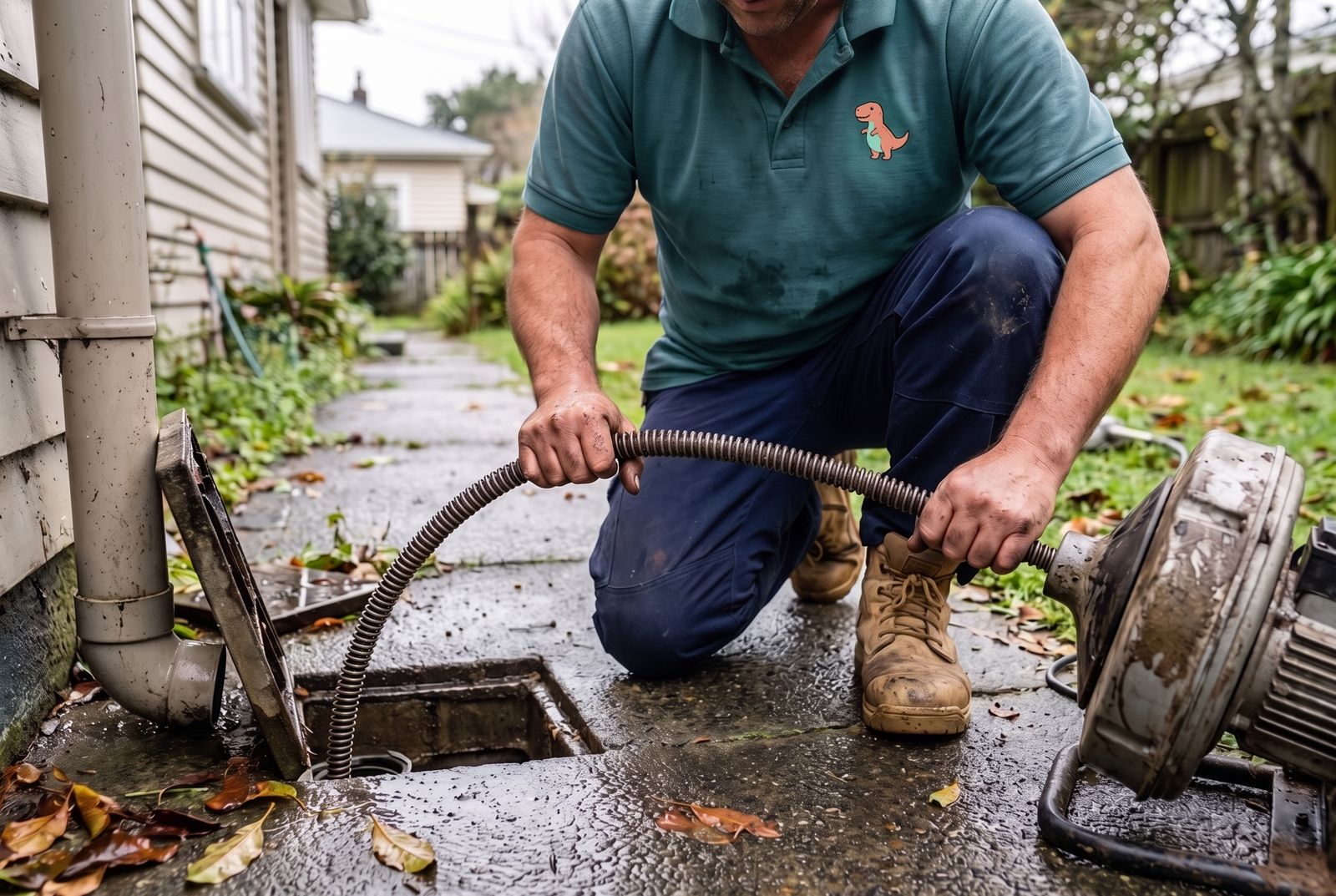
Blocked Drains
Blocked sinks, showers, toilets and gully traps cleared fast.
View service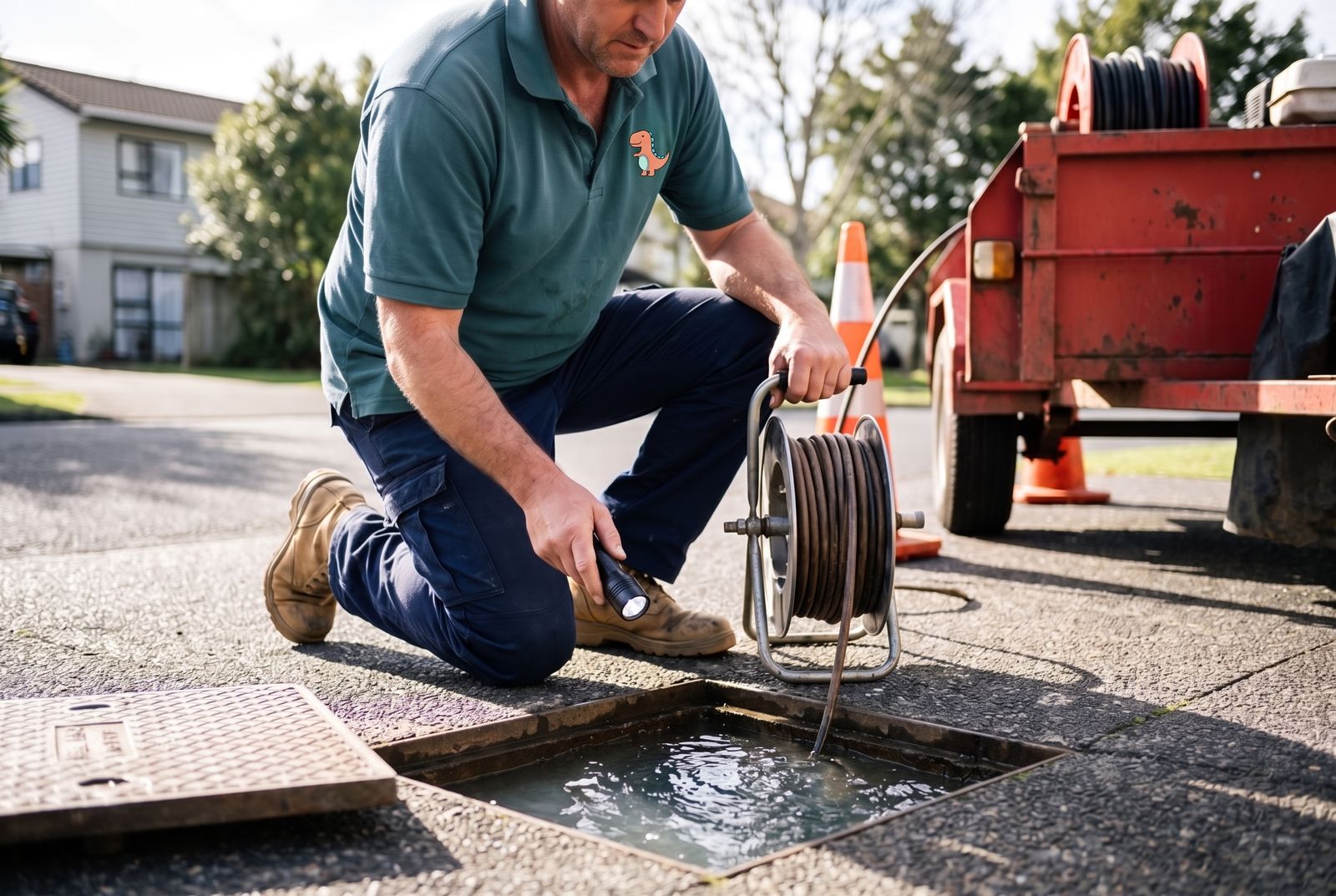
Drain Cleaning
Regular drain cleaning removes fat build-up, sludge and root growth before they turn into a blockage.
View service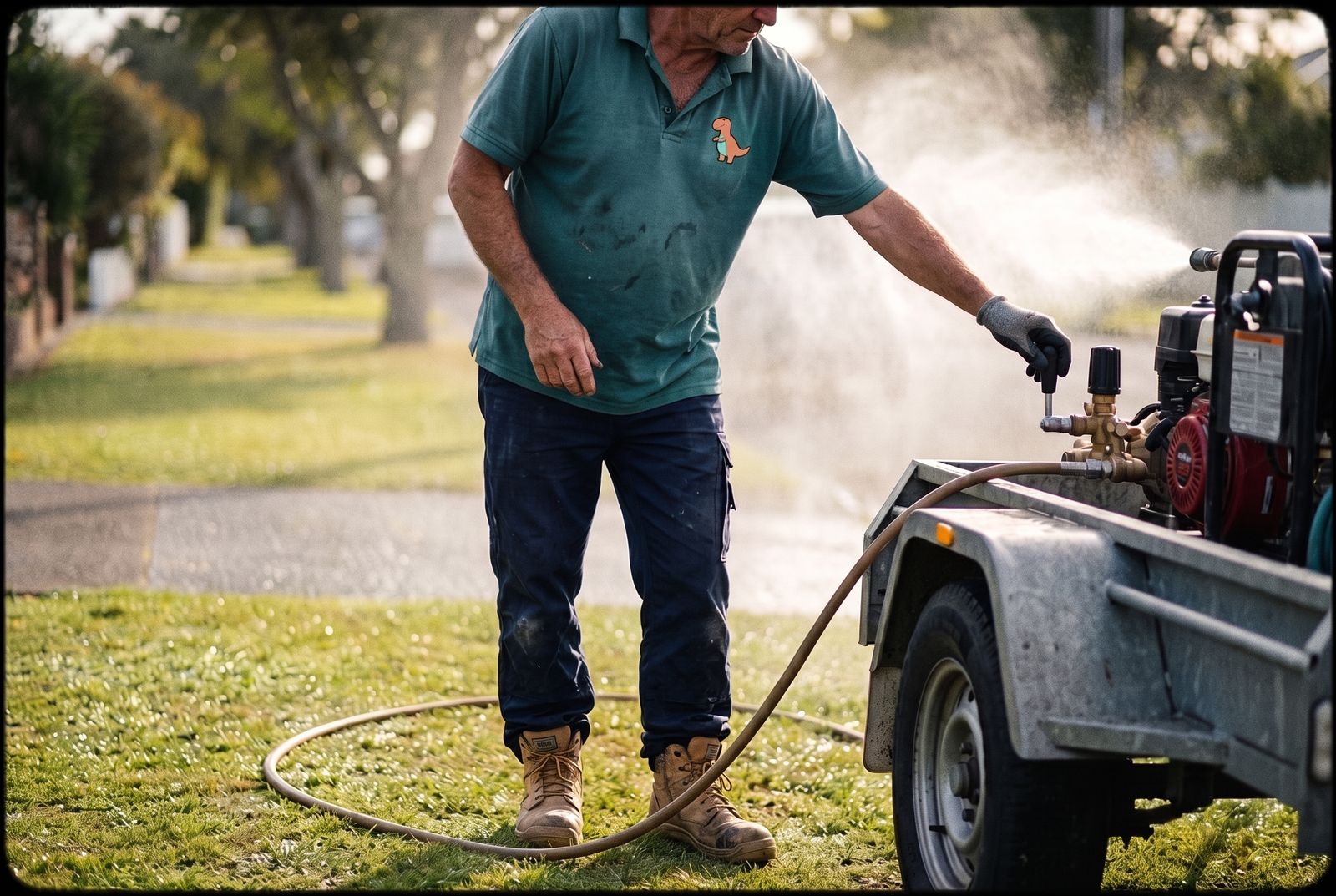
Hydro Jetting
High-pressure water jetting scours the full diameter of your pipe, cutting through roots, grease and silt that an eel just punches through.
View serviceRead Next
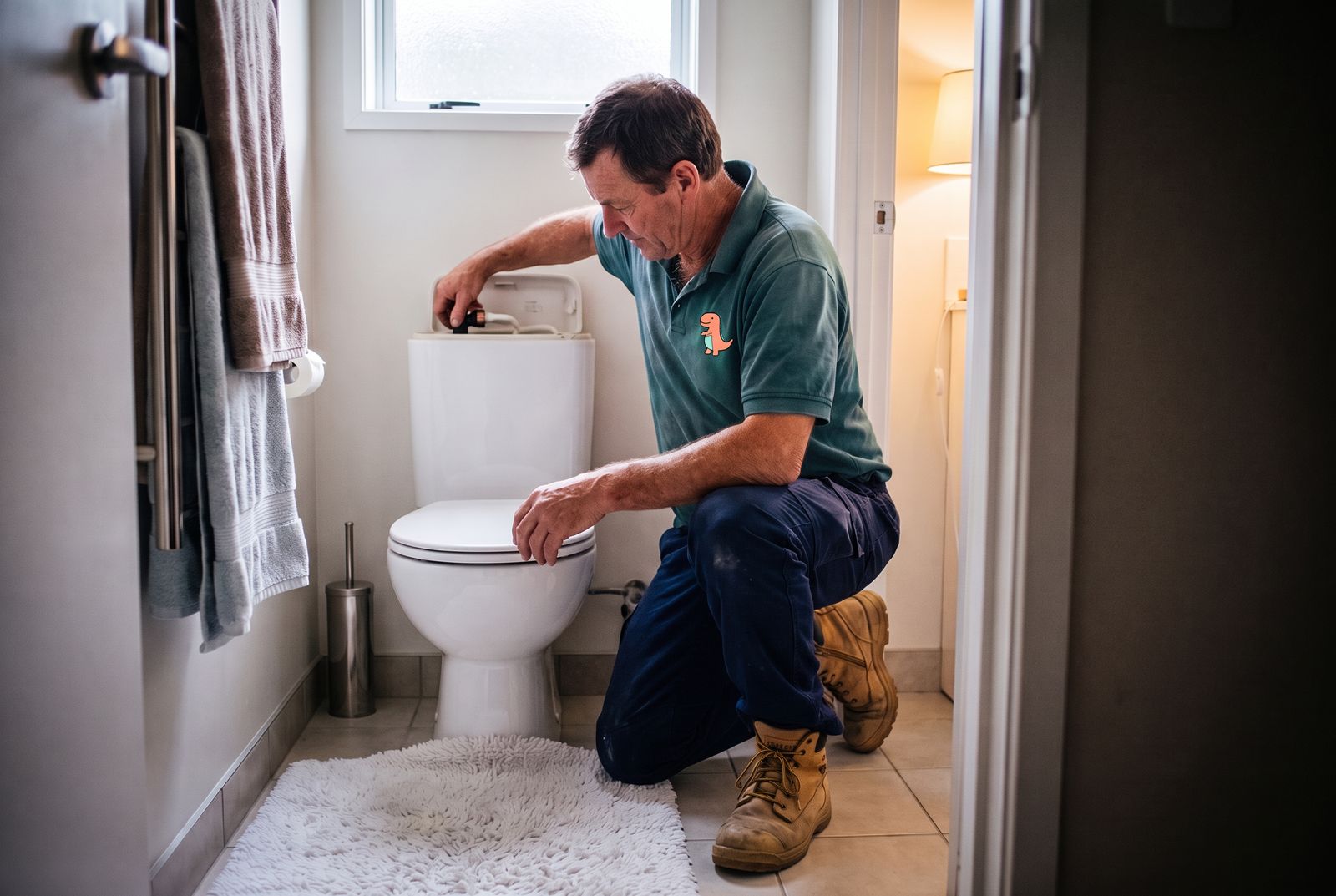
How to Unblock a Toilet (With or Without a Plunger)
To unblock a toilet, stop flushing, then use a flange plunger with firm push and pull strokes for 15 to 20 seconds at a...
Read article
What Is a Gully Trap? Overflows, Smells and How to Fix Them
A gully trap is the small grated dish outside most New Zealand houses where the kitchen, laundry and sometimes bathroom...
Read article
Low Water Pressure? How to Increase It in Your Shower and House
To increase water pressure in your shower, first clean the shower head and check that the toby and every isolation...
Read articleMore plumbing advice from the Cheeky's Plumbers team.
