
The best water filter for a NZ home depends on where your water comes from. On treated town supply, such as most of Auckland, an under-sink carbon filter is usually all you need to improve the taste of chlorine. On rainwater tank or bore water, you need staged treatment: a sediment filter, a fine filter and UV disinfection on the whole house supply.
Water filter shopping lists tend to rank products without asking the most important question: what is in your water to begin with? A filter that is perfect for a city kitchen can be useless on a lifestyle block, and the reverse is just as true.
This guide matches the filter to the source. It covers whether town water needs filtering at all, whole house versus under-sink systems, what tank water needs, whether reverse osmosis is worth it and how often cartridges really need changing.
What is the best water filter for a NZ home?
The best filter is the one that removes what you actually want removed from your water, and nothing more expensive than that. Start with the source, then decide what you are trying to fix: taste, sediment, hardness or safety.
Look for independent certification of the claims, such as NSF/ANSI standards, rather than marketing labels. Our water filtration page explains the systems we install and how we size them.
| Water source | Main concern | Typical filter choice |
|---|---|---|
| Treated town supply | Chlorine taste and smell | Under-sink carbon filter, or a filter jug |
| Town supply in a harder groundwater area | Scale on taps and glass | Carbon filter plus a scale inhibitor if needed |
| Roof-fed rainwater tank | Bacteria, parasites, sediment | Whole house sediment and fine filters plus UV |
| Private bore | Iron, manganese, bacteria | Test first, then targeted media filters plus UV |
Do I need a water filter on Auckland town water?
For safety, no. Watercare says its water is safe for drinking and cooking across the Auckland region, and it adds chlorine during treatment to kill harmful bacteria. A filter on town water is about taste, smell and preference.
Chlorine is the usual complaint, and Watercare notes it evaporates quickly. Consumer NZ found most people do not need a filter jug, and suggested a free alternative: fill a jug with tap water and keep it in the fridge, which lets some chlorine dissipate and masks the rest. If you still want filtered water on tap, a quality under-sink carbon filter is a tidy, permanent answer.
Watercare also adds fluoride to most of the metropolitan supply. Standard carbon filters do not remove fluoride, so if that matters to you, ask about reverse osmosis.
Hardness is rarely an issue in the city. Watercare describes New Zealand water as comparatively soft and generally low in the minerals that make water hard, so most Auckland homes do not need a softener. Some properties notice more scale where supply comes from groundwater, which is worth checking before buying a larger system.
Whole house filter or under-sink filter?
On town water, an under-sink filter is usually enough, because you only drink and cook with water from one tap. On tank or bore water, you need a whole house system, because every tap and shower is drawing untreated water.
An under-sink unit fits in the kitchen cupboard and feeds the existing tap or a separate filter tap. A whole house system sits where the supply enters the home, often near the pump on a rural property, and treats everything downstream. It costs more to buy and run, but on untreated water it is the only option that protects the whole household.
Think about running costs as well as the purchase price. A whole house system has larger cartridges, a UV lamp drawing power around the clock and more parts to service. An under-sink filter has one or two small cartridges and nothing that needs electricity. Choosing the smaller system where it does the job leaves more of the budget for the parts that matter.
Not sure which filter you need?
Cheeky's Plumbers will look at your water source, recommend the simplest system that does the job and install it with a clear cartridge schedule.
What filter do I need for rainwater tank water?
Roof-collected rainwater needs staged treatment: keep debris out of the tank, remove sediment, then disinfect. The Ministry of Health's guidance on water collection tanks recommends a first flush diverter with a fine mesh screen, and filters where the water enters the house or on a drinking tap.
In practice that means a sediment cartridge, then a finer cartridge, then a UV lamp, in that order, so the light can reach every microbe. Lifestyle blocks around Kumeū often rely on rainwater tanks rather than the town network, and the same applies on rural properties outside Pukekohe's reticulated area. Our rainwater tanks team can set up the collection side, and our West Auckland plumbers cover many tank-fed properties in the ranges and rural north west.
The tank matters as much as the filters. The Ministry of Health advises inspecting tanks annually and cleaning them if needed, ideally by a contractor. Sludge on the floor shortens cartridge life, so regular water tank cleaning helps the whole system.
Is a reverse osmosis filter worth it?
Reverse osmosis is worth it only if you want to remove dissolved substances that carbon cannot, such as fluoride or certain minerals. For most Auckland town water users, it is more filtration than they need.
An RO system pushes water through a very fine membrane, producing very pure water at a slow rate into a small storage tank. The trade-offs are cost, cupboard space, regular membrane and pre-filter changes, and waste water flushed to the drain during production. It also strips minerals that some people like in their drinking water. If your only issue is chlorine taste, a carbon filter does that job for a fraction of the price.
How often should water filters be changed?
Change cartridges according to the maker's capacity rating or schedule, which for many domestic cartridges falls somewhere between six and twelve months, sooner on heavily used or dirty water. UV lamps typically need replacing every year.
Overdue cartridges are worse than none. Consumer NZ notes that old cartridges can harbour bacteria, and a clogged filter restricts flow. Filter jug cartridges in its test were rated for only 150 to 300 litres, so in a busy household they need replacing often. If your pressure has dropped since a filter went in, a blocked cartridge is the first thing to check.
Getting the right system fitted
The right filter starts with knowing your water, so test tank and bore supplies before you buy anything. On town water, decide whether taste alone justifies the spend.
Cheeky's Plumbers installs under-sink, whole house and UV systems, notes your cartridge types and dates, and can remind you when changes are due. You can book online and we will match the filter to your supply rather than to a sales target.
Frequently Asked Questions
Do water filters remove bacteria?
Standard carbon filters are not designed to make untreated water safe. On tank or bore water, UV disinfection after fine filtration is the usual way to deal with bacteria and parasites. Boiling for one minute is the simplest backup if a system fails.
Are filter jugs any good?
They reduce chlorine taste and some metals, and Consumer NZ found results varied by brand. They are cheap to buy but cartridges need frequent replacement, and most people on treated town water do not need one.
Will a water filter soften hard water?
Most filters do not soften water. Auckland town water is generally soft according to Watercare, so a softener is rarely needed. Some groundwater areas have harder water, where a scale inhibitor or softener may help.
Can I install an under-sink filter myself?
Simple tap-mounted and jug filters are DIY. An under-sink system connected to your water supply, or any whole house or UV system, is plumbing work that should be done by a licensed plumber so it is connected and protected properly.
Does filtered water need a separate tap?
Not always. Some under-sink systems feed the existing mixer's cold side, while others use a dedicated filter tap so unfiltered water is used for washing and the cartridge lasts longer.
Our Services
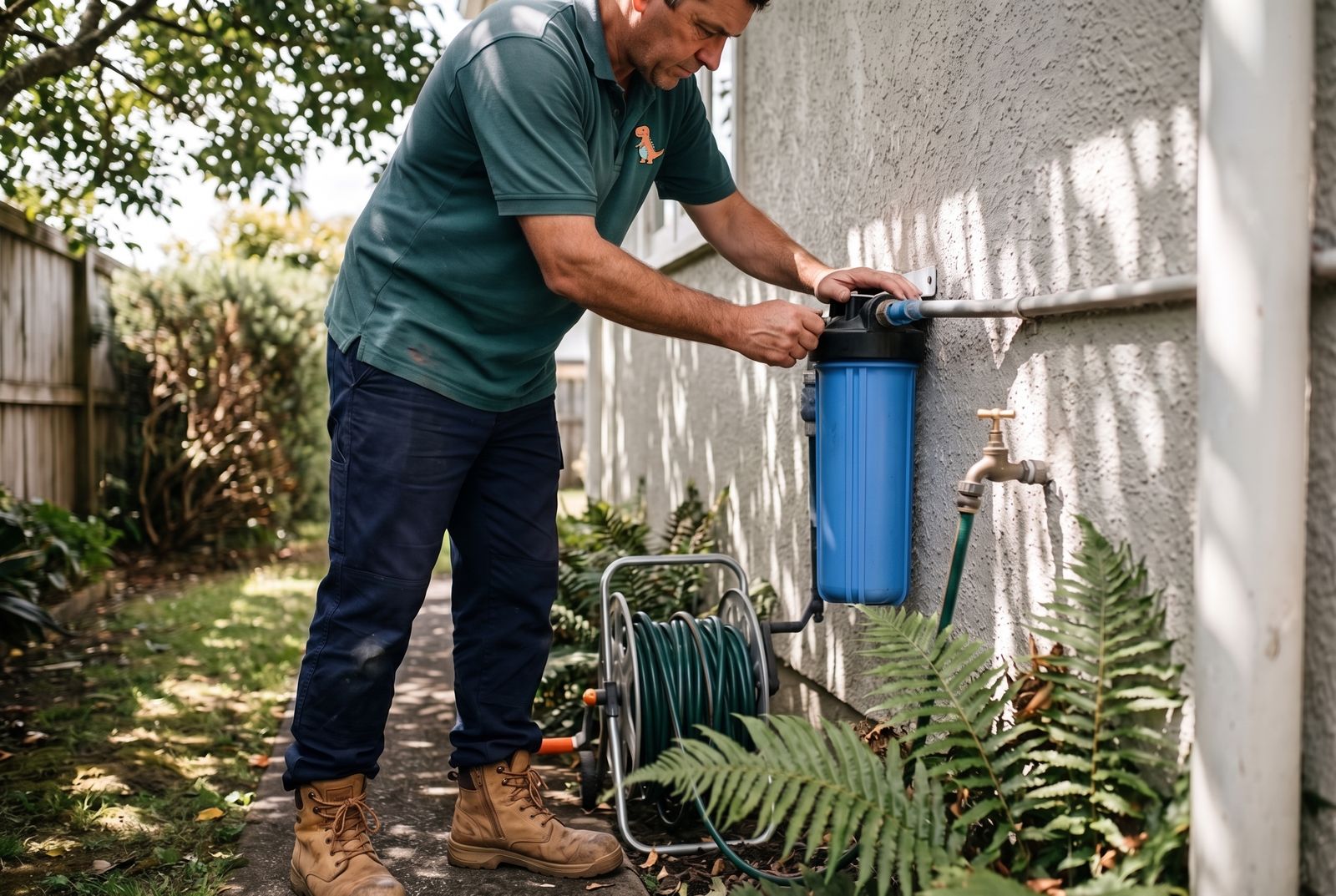
Water Filters
Whole-house and under-sink filtration for cleaner, better-tasting water.
View service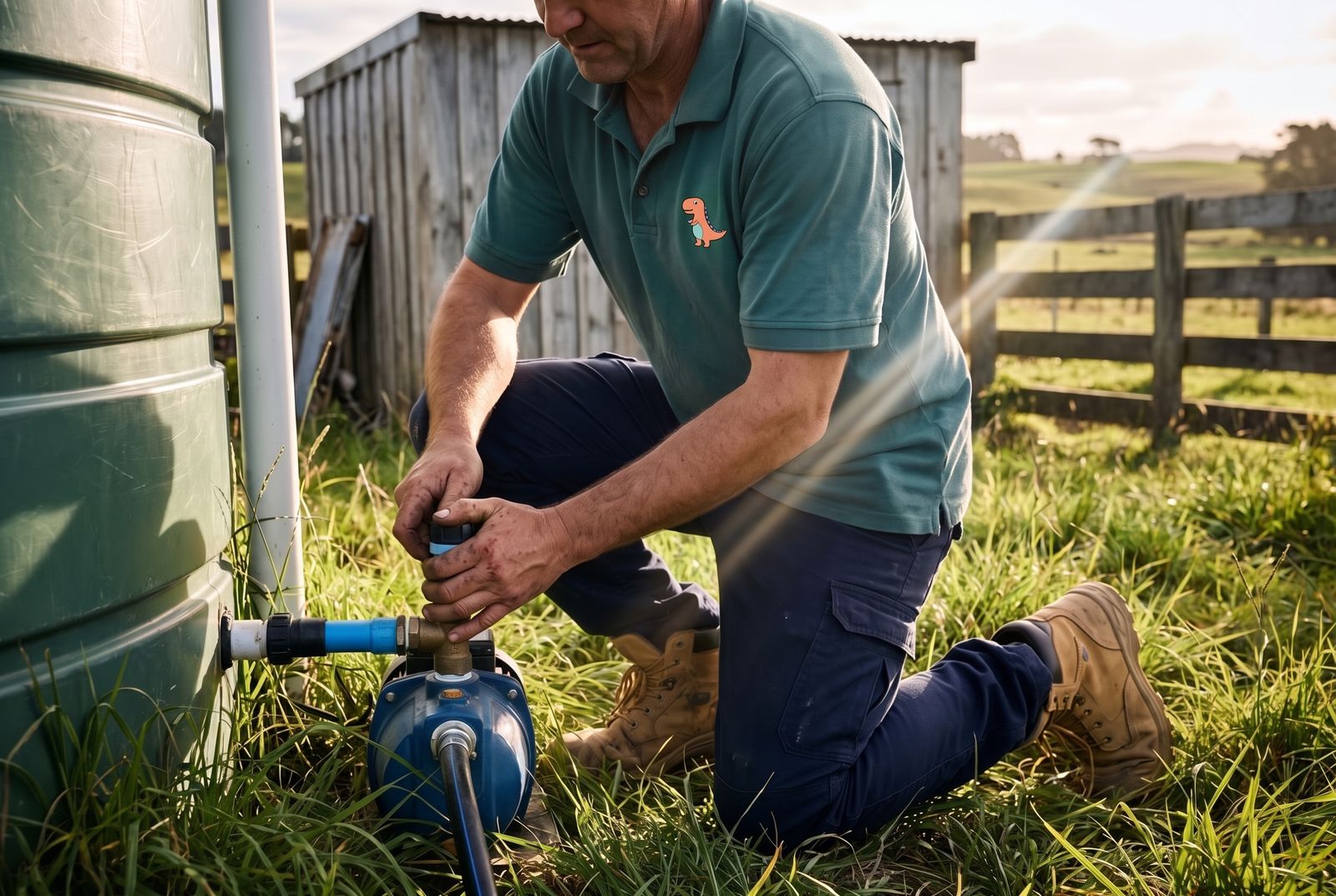
Water Tanks
Rainwater tank installation, pump setup and maintenance for rural and urban Auckland properties.
View serviceWater Tank Cleaning
Sludge settles in every rainwater tank.
View serviceRead Next
Septic Tank Costs in NZ: Install, Replace and Pump-Outs
A new septic tank system in NZ typically costs $10,000 to $25,000 installed, according to Selwyn District Council, with...
Read article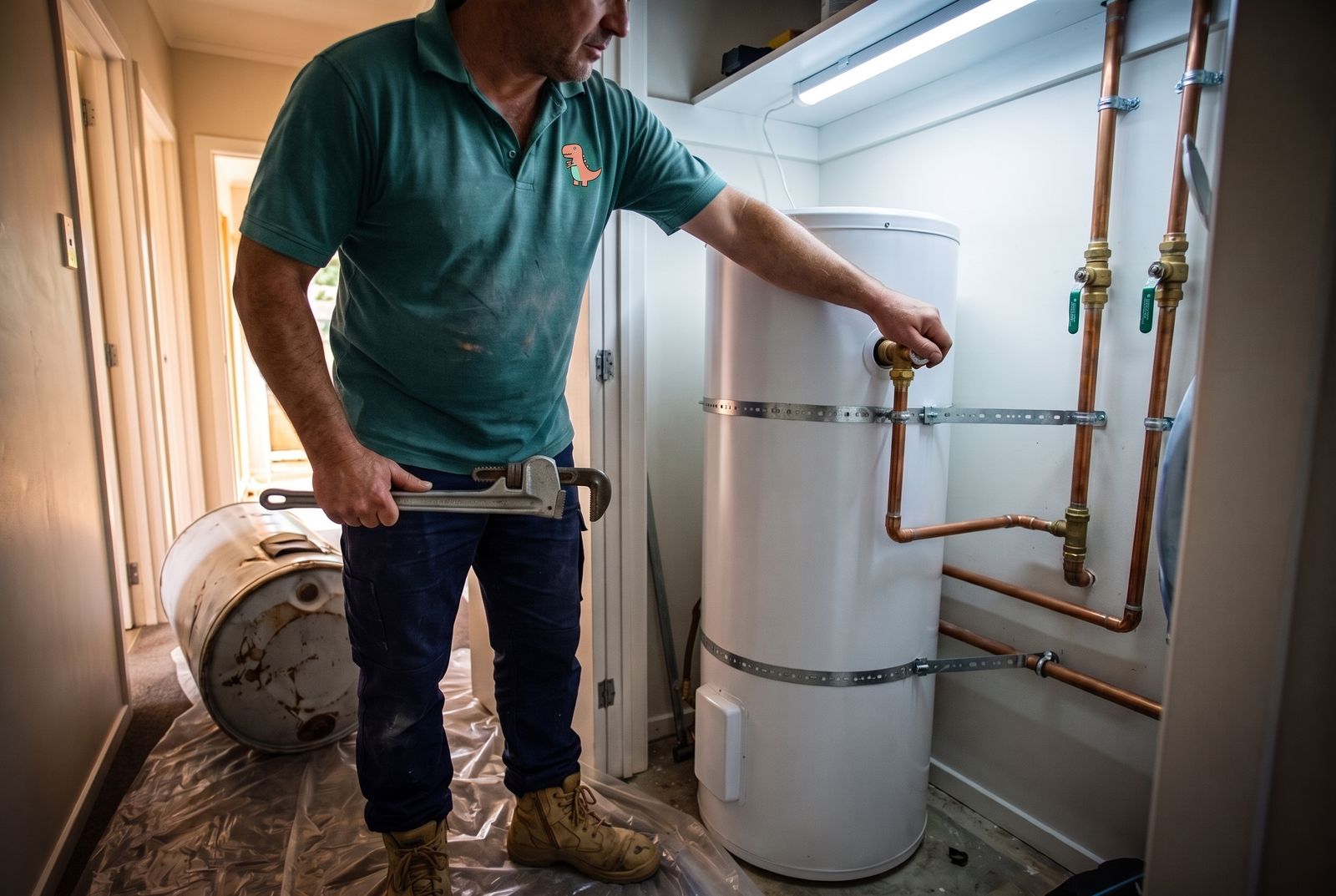
Hot Water Heat Pumps in NZ: Costs, Savings and Are They Worth It?
A hot water heat pump usually costs several thousand dollars more upfront than a standard electric cylinder. Consumer...
Read article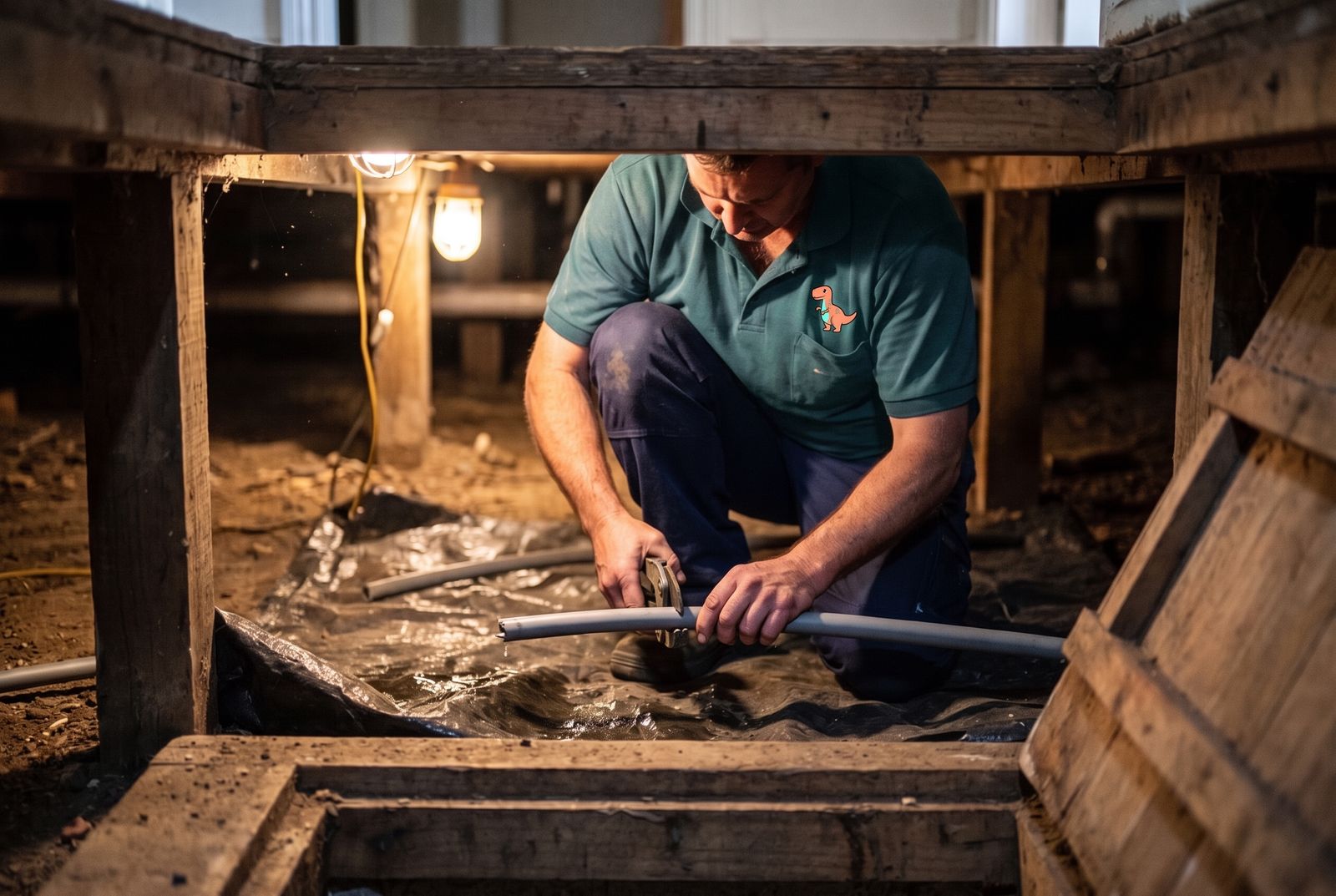
Grey Polybutylene Pipe in NZ: Should You Replace It?
Polybutylene is a grey or black plastic water pipe used widely in New Zealand homes from the late 1970s to the mid...
Read articleSources
More plumbing advice from the Cheeky's Plumbers team.
