
Polybutylene is a grey or black plastic water pipe used widely in New Zealand homes from the late 1970s to the mid 1990s. It does not always fail, but joints and fittings on older systems can crack or leak without warning. If your home has it, the sensible plan is to have it checked, replace the runs that are easy to reach, and budget for the rest rather than wait for a burst.
Many Auckland homes built or replumbed between the late 1970s and the mid 1990s still have polybutylene water pipe somewhere in the house. Owners often only find out when a fitting lets go under the floor, or when an insurer or building inspector asks about it.
Having polybutylene is not an emergency. This guide explains how to tell whether you have it, why it has a mixed reputation, how insurance tends to treat leaks, and what a planned replacement involves.
What is polybutylene pipe?
Polybutylene, often shortened to PB, is a flexible plastic pipe used for hot and cold water supply. BRANZ's Level guide says it was introduced in the late 1970s and used extensively for water supply pipes until the mid 1990s.
It was popular because it was cheap, quick to install and flexible enough to snake through framing without many joints. Level also notes that one brand of polybutylene gained a reputation for failure, which sharply reduced its use. Polybutylene pipe systems are still covered by a joint Australian and New Zealand standard, so the material itself is not banned. The concern is mostly with older installations and the fittings that join them.
How can I tell if my house has polybutylene pipes?
Look for grey, or sometimes black, flexible plastic water pipe that is about the thickness of a finger, joined with grey plastic or metal crimp fittings. The easiest places to check are under the house, in the roof space, at the hot water cylinder and under the kitchen and bathroom sinks.
Copper is a dull orange or brown metal pipe. Galvanised steel is grey metal with screwed joints and often shows rust. Modern PEX is usually white, red or blue. If you see grey plastic pipe with crimped rings at the joints, it is very likely polybutylene.
If the subfloor is tight or you are not comfortable going under the house, Cheeky's Plumbers can do the check, photograph what we find and note which runs are easy to replace. Never cut into or squeeze pipe to test it, as old fittings can crack when disturbed.
- Subfloor: follow the pipe from where it enters the house
- Hot water cylinder: check the pipes leaving the top of the tank
- Under sinks and vanities: look behind the isolation valves
- Roof space: check runs feeding upstairs bathrooms
- Near the toby: the service pipe may be a different material again
Why does polybutylene pipe fail?
Most failures happen at the joints rather than in the middle of a pipe run. Overseas experience links the problems to older grey plastic fittings, joints that were over or under crimped when installed, and long term exposure to chlorinated water and heat.
A BRANZ survey of plastics problems in the New Zealand building industry found that piping accounted for most of the plastic failures it recorded, and attributed most of them to faulty installation or to design and manufacturing defects. It called for more study into polybutylene and acetal fitting failures. In practice that means two homes with the same pipe can behave very differently. Pipe near a hot water cylinder, under strain from poor clipping, or exposed to sunlight in a subfloor vent is the most likely to fail first.
Found grey pipe under the house?
Cheeky's Plumbers can check the condition of your polybutylene, fix any weak joints and give you a free written quote for a staged repipe.
Does insurance cover polybutylene pipe leaks in NZ?
Insurance usually covers sudden damage from a burst, but not the pipe itself and not damage that built up slowly. The Insurance Council of New Zealand explains that gradual water damage from wear, deterioration or corrosion is typically excluded, and insurers expect pipes to be checked as part of routine maintenance.
Many house policies include a limited benefit for hidden gradual damage from internal pipes, with a dollar cap. Some insurers ask about pipe materials when you apply or renew, so answer honestly. If you have polybutylene, keeping a record of a plumber's inspection and any replacement work is useful evidence that the house has been maintained.
How much does it cost to repipe a house?
There is no reliable published average for New Zealand, because the price depends so heavily on the house. The size of the home, the floor type and how easy the ceiling is to reach make far more difference than the pipe itself.
A single level house on a suspended timber floor with a good crawl space is the cheapest to repipe, because new pipe can run under the floor with only small openings at each fixture. Concrete slab homes, two storey houses and skillion roofs take longer. That is why a partial repipe is often the smart first step: replace the accessible subfloor and roof space runs now, and leave the pipe hidden inside walls until the next renovation. Our repiping service is quoted free after an inspection, so you know the cost before you decide.
| Factor | Lower cost | Higher cost |
|---|---|---|
| Floor | Suspended timber with crawl space | Concrete slab |
| Storeys | Single level | Two or more storeys |
| Scope | Accessible subfloor and roof runs | Whole house including walls |
| Making good | Small access holes | Plastering and painting several walls |
| Service pipe | Existing pipe kept | New pipe from the toby |
Is PEX better than polybutylene?
For new work, PEX or copper is now the usual choice, and both have long track records in New Zealand homes. Level lists polybutylene, PEX and copper as acceptable water supply materials, so the decision is about the age and condition of your existing system rather than polybutylene being illegal.
PEX is flexible like polybutylene, which keeps wall openings small, but it uses a different and better proven jointing system. Level notes PEX is not recommended for outdoor use above ground, so exposed runs need protecting or a different material. Copper suits some homes better, particularly where pipe is exposed or the plumber is tying into existing copper.
Which Auckland homes are most likely to have it?
Homes built or replumbed between the late 1970s and the mid 1990s are the main candidates. Browns Bay grew quickly in the 1970s as the centre of East Coast Bays City, and Pakuranga's family homes spread out from the 1950s through the following decades, so both have plenty of houses from the polybutylene era. Albany's rapid build-out began in the 1990s, so its earliest homes can have it too.
If you live in one of those areas and see grey pipe under the house, a plumber in Browns Bay or nearby can check its condition. Cheeky's Plumbers can inspect your pipework and give you a staged plan, and if you suspect a hidden leak already, leak detection in Pakuranga and across the city finds it without opening up walls. For a pipe that has already let go, our burst pipe repairs team is available around the clock. You can also book online.
Frequently Asked Questions
Should I replace polybutylene pipe before selling my house?
You do not have to, but buyers and their building inspectors may flag it. Replacing the accessible runs, or having a plumber's report showing the pipe is in good condition, can stop it becoming a negotiating point late in the sale.
Can I replace just the fittings on polybutylene pipe?
Sometimes. If one old fitting has failed and the pipe around it is sound, a plumber can cut it out and use a modern compatible fitting. If several fittings have failed, or the pipe is brittle, replacing the run is usually better value than repairing joint by joint.
Is polybutylene pipe safe for drinking water?
Yes. The concern with polybutylene is leaks and failures at fittings, not water quality. Level lists it among the acceptable materials for water supply pipes. The reason to replace it is to reduce the risk of water damage, not because the water is unsafe.
What are the warning signs of a polybutylene leak?
Watch for a water bill that rises for no reason, damp patches or a musty smell from under the floor, a drop in water pressure, or the water meter turning when every tap is off. Any of these is worth a leak check before the damage spreads.
Is black plastic pipe also polybutylene?
It can be. Polybutylene was made in grey and sometimes black, but black pipe is also commonly polyethylene, used for buried service pipes and irrigation. A plumber can tell them apart by the markings and fittings.
How long does a polybutylene repipe take?
A partial repipe of the subfloor and roof runs in a single level home is often a one to two day job. A whole house repipe with wall access takes longer. Most households stay at home and have water back on at the end of each day.
Our Services
Repiping
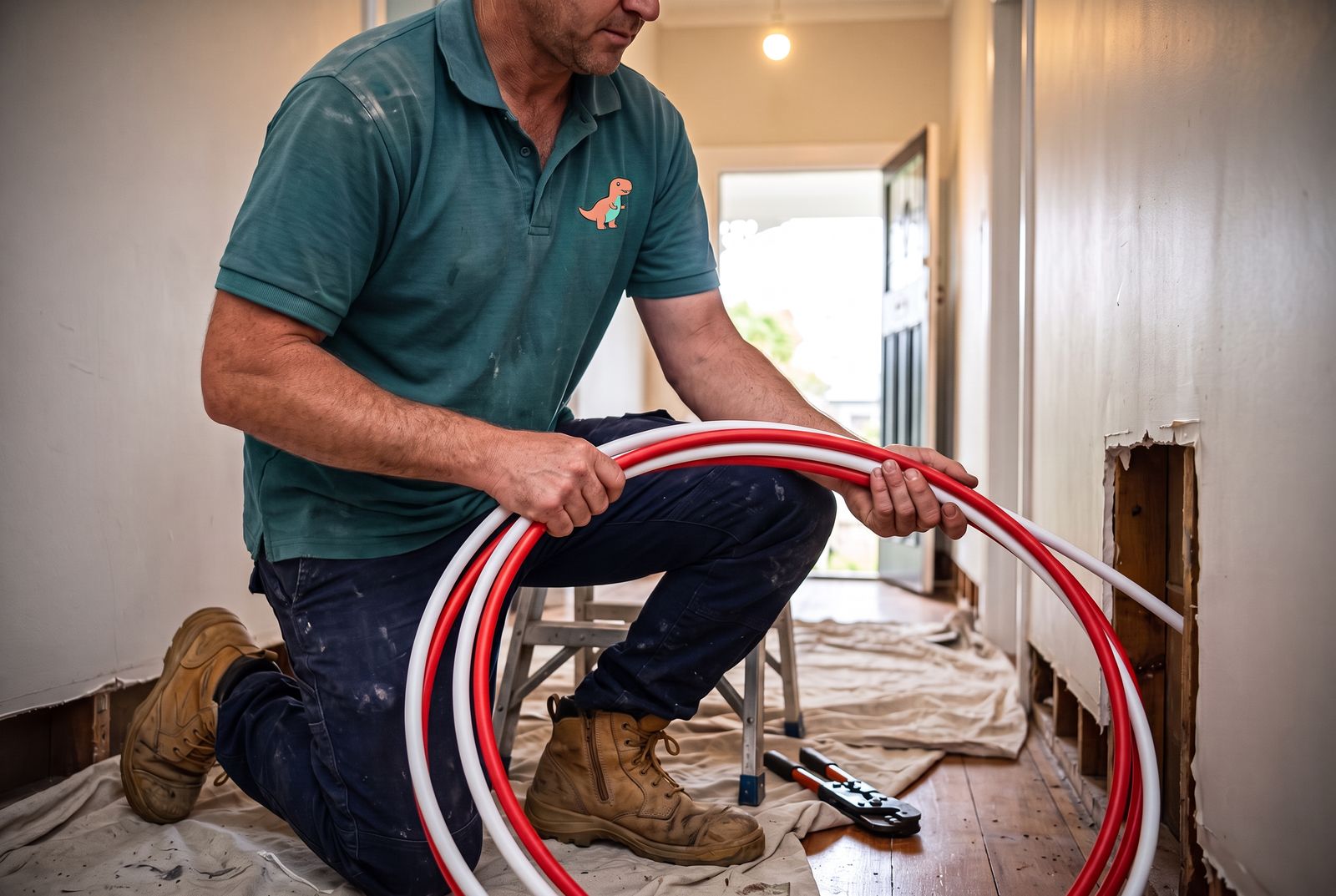
Old galvanised steel and grey polybutylene pipes fail with age.
View service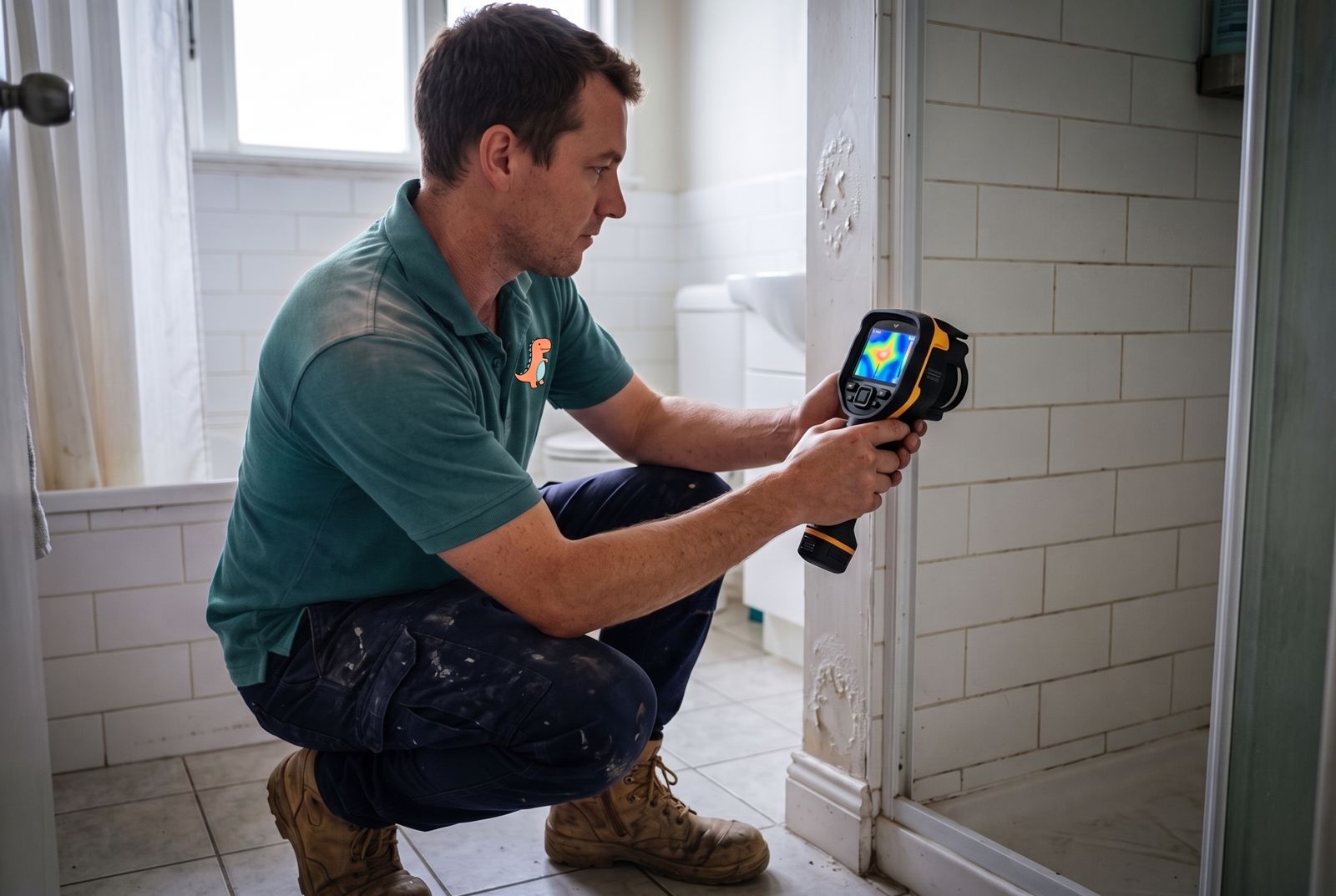
Leak Detection
A hidden leak can quietly add hundreds of dollars to your Watercare bill and rot framing behind your walls.
View serviceRead Next
Why Do My Pipes Bang? Water Hammer Explained for NZ Homes
Water hammer is the bang you hear when fast moving water in a pipe is stopped suddenly, usually by a quick closing tap,...
Read article
Low Water Pressure? How to Increase It in Your Shower and House
To increase water pressure in your shower, first clean the shower head and check that the toby and every isolation...
Read article
Best Water Filter for NZ Homes: Town Supply vs Tank Water
The best water filter for a NZ home depends on where your water comes from. On treated town supply, such as most of...
Read articleSources
More plumbing advice from the Cheeky's Plumbers team.
