
To increase water pressure in your shower, first clean the shower head and check that the toby and every isolation valve are fully open. If the cold is strong but the hot is weak, the cause is usually a low pressure hot water cylinder, and the real fix is balancing the supply or upgrading to mains pressure. Weak flow at every tap points to old narrowed pipe, a faulty valve, a hidden leak or, on tank water, the pump.
Low pressure is one of the most common plumbing complaints, and one of the most misunderstood. Plenty of people buy a high pressure shower head to fix it and end up with the same weak trickle, because the problem was never at the shower.
The quickest route to better pressure is to work out where the pressure is being lost. This guide goes cause by cause, from the free checks you can do in five minutes to the fixes that need a plumber.
Why is my water pressure suddenly low?
A sudden drop usually means something has changed recently: a valve was left partly closed, there is work on the street main, a pressure valve has failed, or a pipe has started leaking. Gradual decline over years is more often old pipe narrowing inside.
Start by asking the neighbours. If they have lost pressure too, the cause is probably on the network side, and Watercare is responsible for its pipes up to the outlet of your water meter. If it is only your house, check the toby is fully open, especially if a plumber or Watercare has been working nearby. After work on the mains, grit and sediment can also lodge in tap aerators and shower heads, so a sudden drop at just one or two outlets is often a blocked filter rather than a supply problem.
If the meter is turning while every tap is off, you may have a hidden leak bleeding off pressure. That needs finding quickly, both for the pressure and the bill.
What is normal water pressure for a house in NZ?
Most homes on a mains pressure system run somewhere between 350 and 700 kPa. BRANZ's Level guide gives that as the typical operating range for mains pressure hot water systems, with low pressure systems running at only 30 to 120 kPa.
Those two numbers explain most shower complaints. A home with a low pressure cylinder is delivering hot water at a fraction of the pressure of the cold mains supply. Pressure can also be too high. Level notes mains pressure can reach 900 kPa or more in a few locations, which causes dripping cylinder valves and banging pipes rather than better showers.
| Supply type | Typical pressure | What it feels like |
|---|---|---|
| Low pressure (header tank or valve fed) | 30 to 120 kPa | Gentle shower, weak mixer taps |
| Mains pressure | Typically 350 to 700 kPa | Strong, even flow at every outlet |
| Very high mains pressure | 900 kPa or more in a few places | Banging pipes, dripping relief valves |
How do I increase water pressure in my shower?
Work through the simple checks first, because they cost nothing. Most weak showers are fixed by one of the first four steps.
If none of those help, the limit is further back in the system. A mixer designed for mains pressure fitted to a low pressure supply will always be weak, and a shower head with a strong flow restrictor can only deliver so much. In older homes, narrowed galvanised pipe may be the bottleneck, and replacing that section is the lasting fix. Our water pressure diagnosis tests pressure and flow at the meter and at the shower to show exactly where it drops.
- Unscrew and descale the shower head, or soak it in vinegar
- Check the toby and any isolation valves are fully open
- Clean the filter screens inside the mixer if it has them
- Run the shower on full cold, then full hot, to see which side is weak
- Check the shower head suits your supply pressure
- Look for a flow restrictor in the head or hose
Still a weak shower?
Cheeky's Plumbers measures pressure and flow to find where it is being lost, then fixes the cause.
Why is my hot water pressure low but the cold is fine?
Almost always because the hot water comes from a low pressure cylinder while the cold comes straight from the mains. Many older Auckland homes still have low pressure cylinders fed from a header tank in the roof or through a pressure reducing valve.
Mixing a weak hot supply with full pressure cold at a mixer gives uneven, disappointing showers. There are three ways to fix it: reduce the cold pressure to match, fit a valve to equalise the two supplies, or upgrade to a mains pressure cylinder. The upgrade gives the biggest improvement, but older pipework should be checked first.
Do I need a pressure reducing valve?
You need one when the pressure is too high, not when it is too low. A pressure reducing valve protects fittings and appliances by holding the house supply at a set level. Level suggests a licensed plumber can fit a 350 kPa pressure limiting valve where high pressure is causing problems.
Where a valve is already fitted, it can also be the cause of low pressure. Pressure reducing valves have internal filters and springs that clog or wear, and a failing valve can drop the pressure for the whole house. Replacing a faulty pressure reducing valve often restores normal flow in one visit. Cheeky's Plumbers supplies and fits pressure reducing valves, set to suit your fittings.
Will a pump fix low pressure on tank water?
Yes, if the pump is the right size and working properly. Homes on rainwater tanks have no mains pressure at all, so every litre at the tap is pushed by the pump.
Weak or surging pressure on tank water usually means a pump that is too small for the house, a worn pump, a blocked suction filter or a failed pressure vessel that makes the pump stop and start. Kumeu is a good example of where this matters, with lifestyle blocks around the township on tank water and septic systems. Sizing a pump properly to the number of outlets that run at once makes a bigger difference than buying the most powerful one, and our water pumps service covers both new pumps and repairs.
When should you call a plumber about low pressure?
Call a plumber when the simple checks have not helped, pressure is low at every tap, the meter moves with everything off, or you are thinking about a cylinder upgrade. Testing static pressure and flow tells you whether the loss is in the service pipe, a valve, the cylinder or one fixture.
Some homes have built in challenges. Titirangi has houses set into native bush, some raised on poles, and every metre a house sits above the supply main costs it pressure, so elevated sites can sit at the low end of the range. In Ponsonby, many Victorian and Edwardian villas have been renovated since the 1970s, often more than once, and a section of old galvanised pipe left behind in one of those jobs can still be narrowing flow. Cheeky's Plumbers works with both, and our team covering Titirangi can tell you whether a pump, a valve or new pipe is the right fix. You can book online to arrange a pressure test.
Frequently Asked Questions
Will a high pressure shower head fix low pressure?
It can help a little on a mains pressure supply by concentrating the flow, but it cannot create pressure that is not there. On a low pressure cylinder, a head designed for mains pressure will usually make the shower worse. Choose a head rated for your supply type.
Can low water pressure be caused by a leak?
Yes. A leak anywhere on your side of the meter lets water escape before it reaches the taps, which lowers pressure and raises your bill. Turn everything off and watch the meter. If it keeps moving, get the leak found before it damages the house.
Why is my water pressure low in the morning?
Demand on the network peaks when most households shower at the same time, so pressure at the street can dip slightly. If your house is already at the low end of the range, that dip is more noticeable. Pressure that is fine at other times points to the supply rather than your plumbing.
Does a water filter reduce pressure?
A whole house filter adds some resistance, and a clogged cartridge can reduce pressure noticeably. If pressure has dropped since a filter was installed, check when the cartridge was last changed. A correctly sized filter with a fresh cartridge should have little effect.
Who do I contact if pressure is low in the whole street?
Contact Watercare. They own the network up to the outlet of your water meter, so a street wide problem is theirs to investigate. If pressure is low at your meter but fine for your neighbours, a plumber can test it and give you readings to pass on.
Is it worth replacing galvanised pipe for better pressure?
Often, yes. Galvanised steel pipe corrodes from the inside, which narrows the bore and reduces flow at every tap. Replacing it improves pressure and removes a likely source of future leaks. A partial replacement of the worst sections can be a good first step.
Our Services
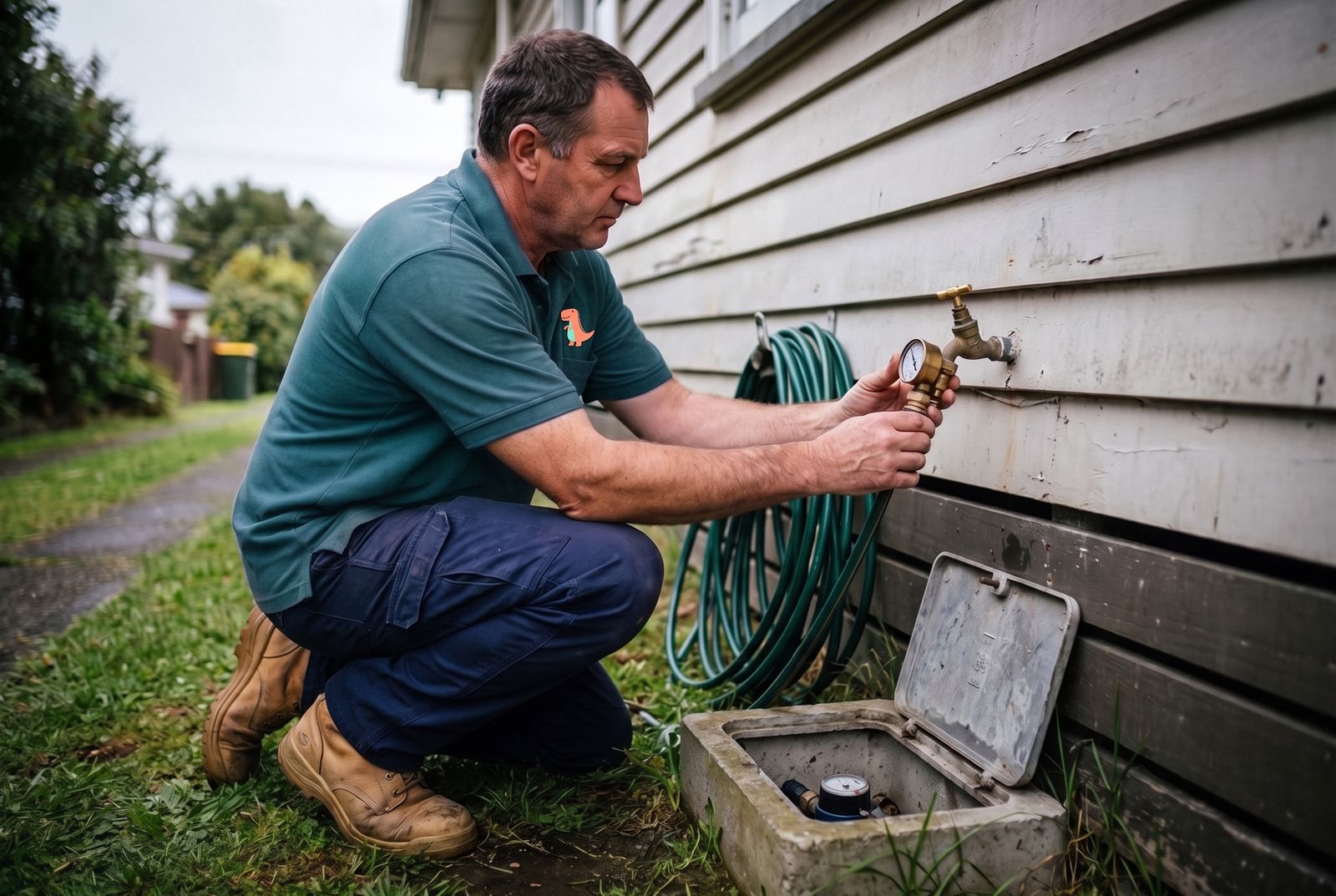
Low Water Pressure
Weak showers and slow-filling baths are usually caused by a failing pressure valve, a partly closed toby, scaled-up pipes or a hidden leak.
View service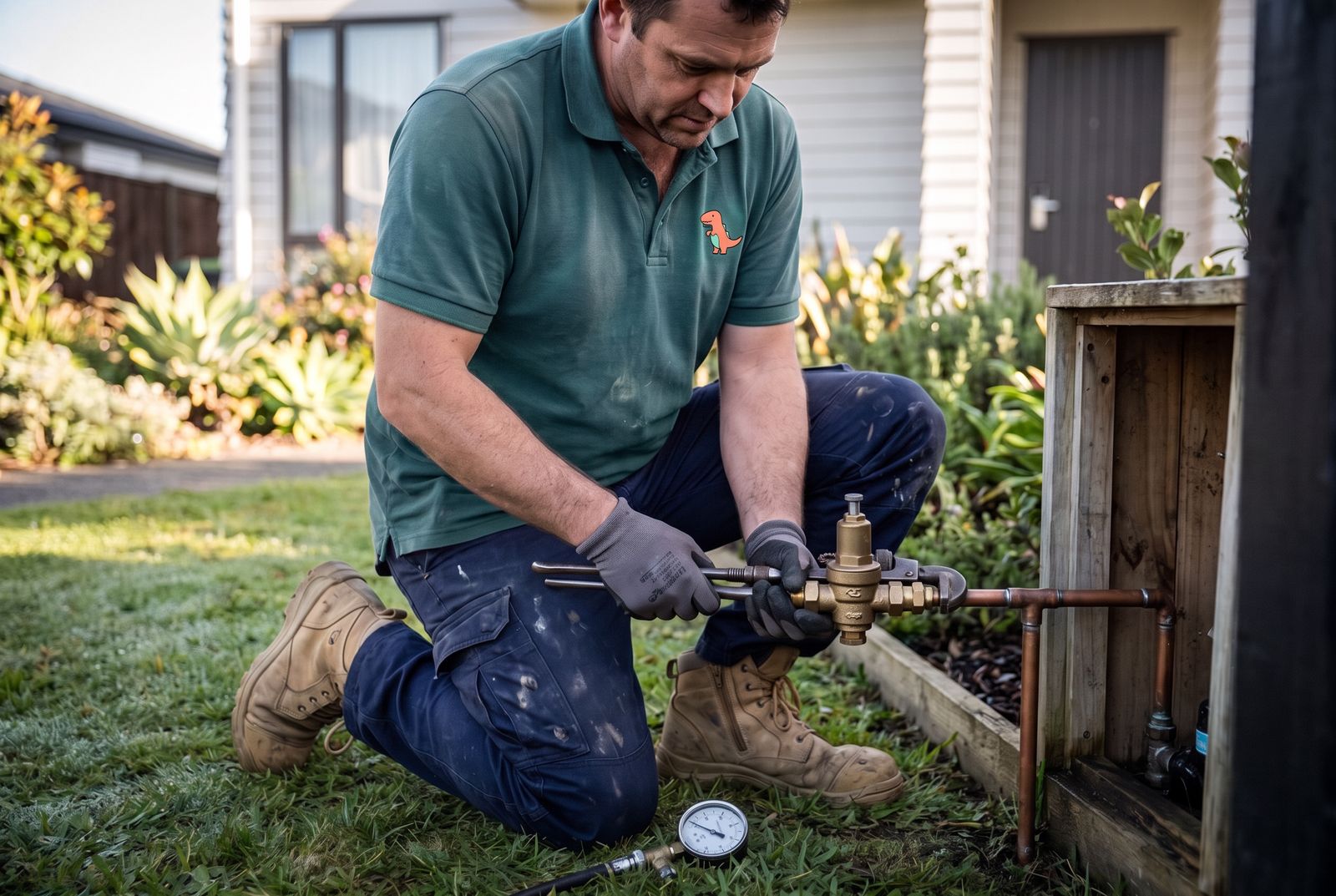
Pressure Reducing Valves
Mains pressure in parts of Auckland is high enough to damage tapware, burst flexi hoses and wear out cylinders early.
View service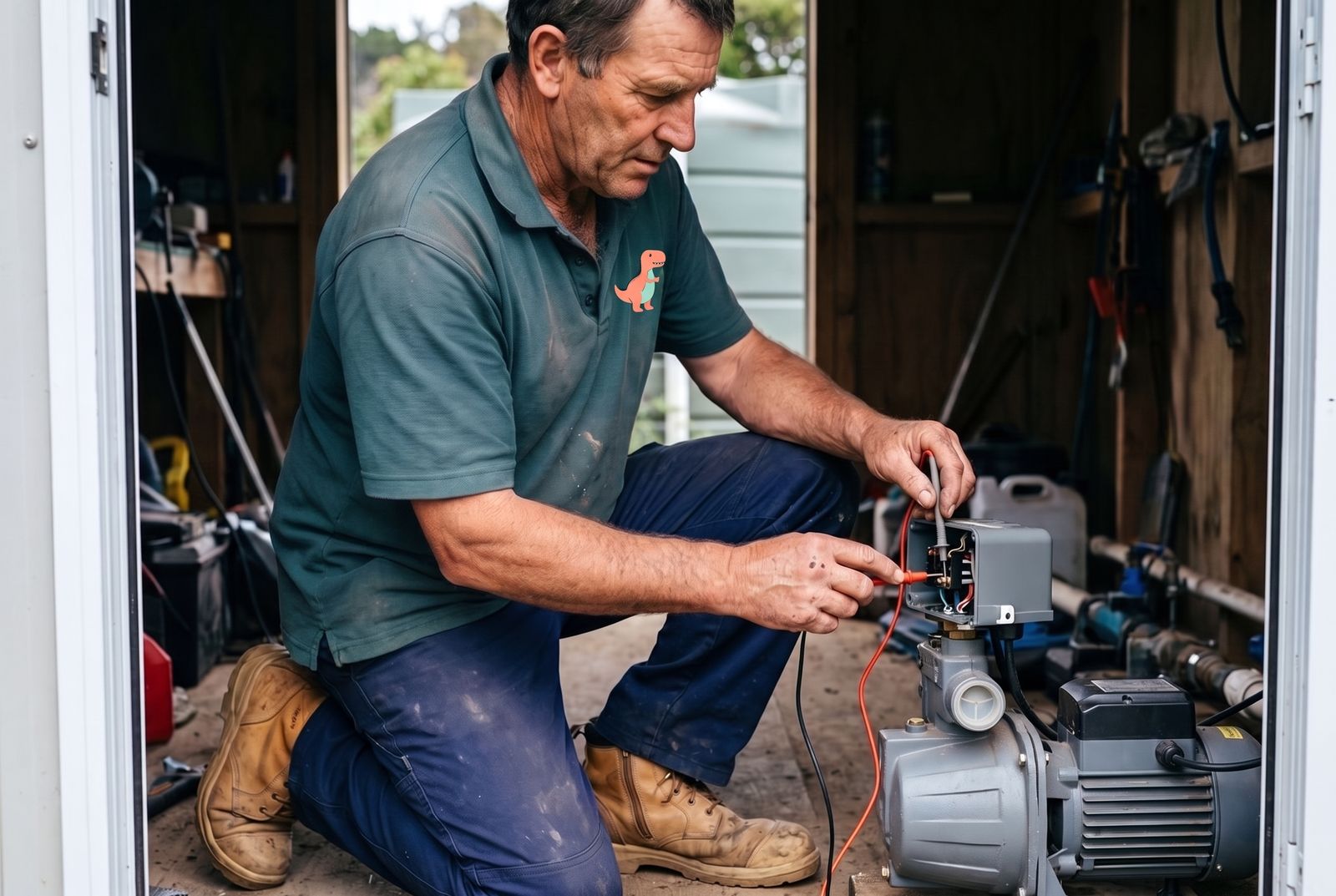
Water Pumps
Pressure pumps, tank pumps, bore pumps and sump pumps supplied, installed and repaired.
View serviceRead Next
Why Do My Pipes Bang? Water Hammer Explained for NZ Homes
Water hammer is the bang you hear when fast moving water in a pipe is stopped suddenly, usually by a quick closing tap,...
Read article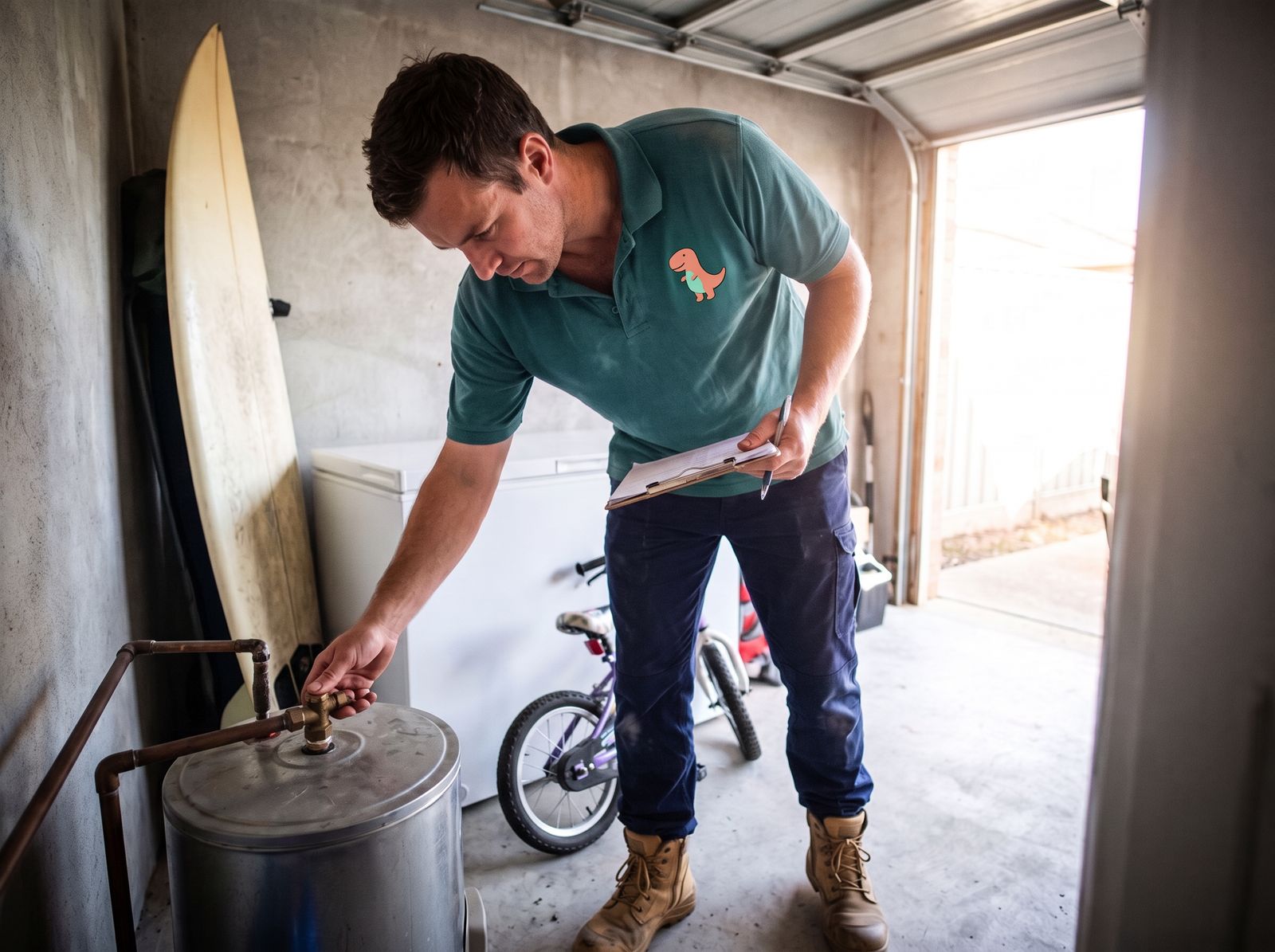
What Size Hot Water Cylinder Do I Need? NZ Sizing Guide
Most NZ households need roughly 50 litres of stored hot water per person, so a 180 litre cylinder suits two to four...
Read article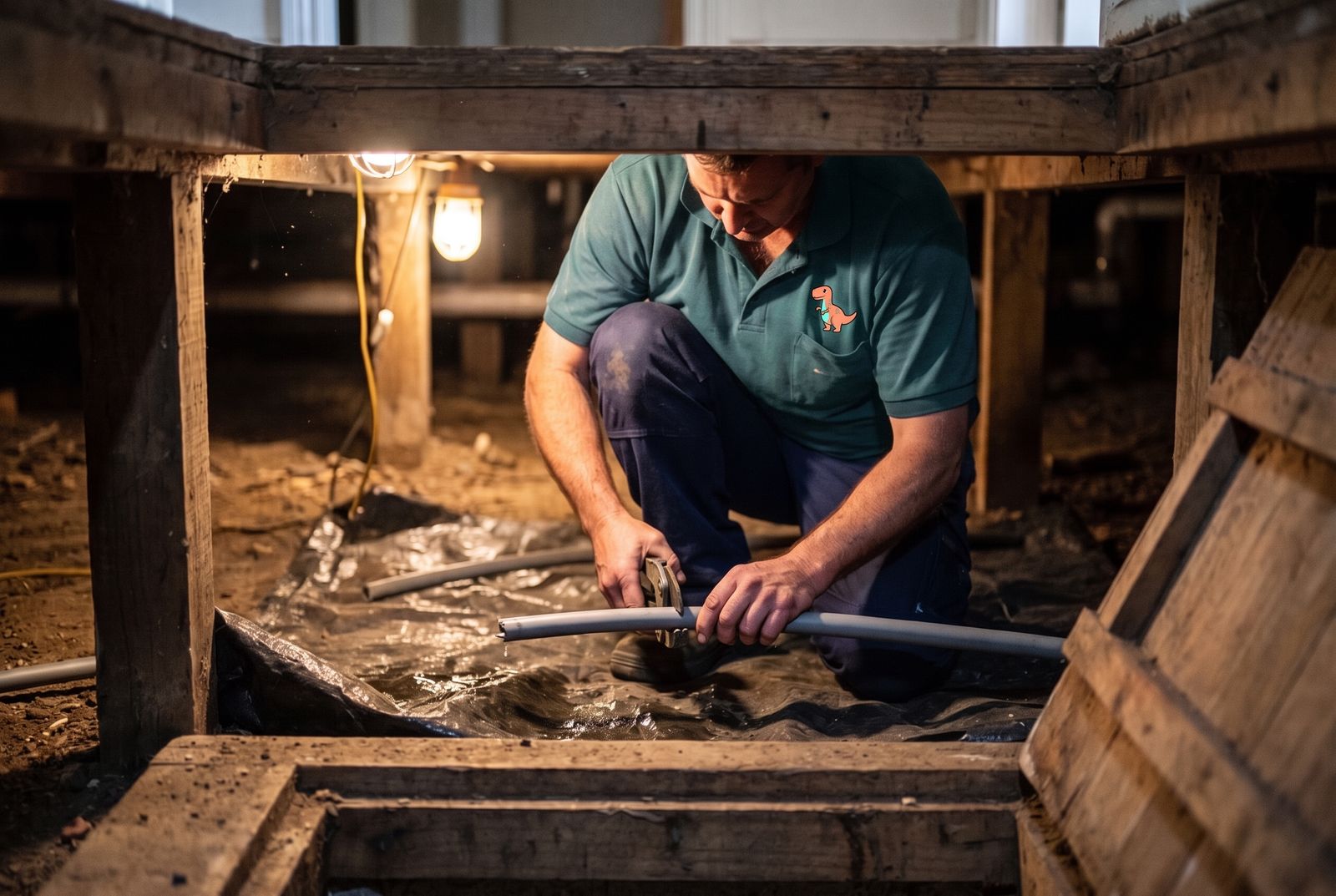
Grey Polybutylene Pipe in NZ: Should You Replace It?
Polybutylene is a grey or black plastic water pipe used widely in New Zealand homes from the late 1970s to the mid...
Read articleSources
More plumbing advice from the Cheeky's Plumbers team.
