
Most NZ households need roughly 50 litres of stored hot water per person, so a 180 litre cylinder suits two to four people and a 250 to 300 litre cylinder suits four to six. Size up for mains pressure showers, a big bath or several people showering back to back. Size down if the house is small and nobody uses much hot water, because every extra litre costs power to keep hot.
Getting cylinder size right is mostly about your busiest hour, not your average day. A cylinder that copes on a quiet Tuesday can still run cold at 7am when three teenagers shower one after another. A cylinder that is far too big never runs out but wastes power keeping water hot that nobody uses.
This guide gives a simple sizing table, explains why mains pressure changes the answer, and covers when a continuous flow system is the better choice than a bigger tank.
What size hot water cylinder do I need for my household?
Start with the number of people, then adjust for how they use hot water. BRANZ's Level guide puts typical hot water use at around 40 to 60 litres per person per day, which is a sensible base for a family home.
The table below is a common rule of thumb, not a regulation. Cylinders are sold in standard sizes, so the job is to pick the size that covers your peak use with a little margin. A household with a spa bath, long showers or a home business that uses hot water should go up a size.
| Household | Typical cylinder size | Notes |
|---|---|---|
| 1 to 2 people | 135 to 180 litres | 180 litres gives margin for guests |
| 3 to 4 people | 180 to 250 litres | Choose 250 litres with mains pressure showers |
| 5 to 6 people | 250 to 300 litres | Back to back morning showers need the larger size |
| 7 or more people | 300 litres or more | Consider two cylinders or a continuous flow system |
Is a 180 litre cylinder big enough?
For two to four people with sensible showers, usually yes. That is why 180 litres is one of the most common cylinder sizes in New Zealand homes.
It starts to struggle when a family of four all shower in the morning on mains pressure, or when someone fills a large bath. Mains pressure showers deliver more water per minute than old low pressure ones, so the same cylinder empties faster after an upgrade. If you are replacing a low pressure 180 litre cylinder with a mains pressure one, it is worth asking whether 250 litres is the better fit. Our hot water cylinders team sizes every replacement around who lives in the house.
How long does a 180L cylinder take to heat up?
From cold, a 180 litre electric cylinder with a 3 kW element takes roughly three hours to reach 60°C. Topping up after a few showers takes much less, because only the cold water that has come in needs heating.
The estimate comes from simple physics. Heating 180 litres from about 15°C to 60°C needs around 9.4 kWh of energy, and a 3 kW element supplies 3 kWh each hour, so the full heat takes a little over three hours. Cylinders with a smaller 2 kW element take closer to five hours. That is why a cylinder that runs out at 7am will not be properly hot again until mid morning, and why size matters more than element rating for busy households.
Not sure what size you need?
Cheeky's Plumbers sizes your new cylinder around your household and puts the full price in writing before the job is booked.
Mains pressure or low pressure: which should I choose?
Mains pressure gives stronger, more even showers and is now the usual choice for new installs, while low pressure is cheaper to replace like for like and gentler on old pipework. Level gives typical operating pressures of 350 to 700 kPa for mains pressure systems and only 30 to 120 kPa for low pressure ones.
The catch is older plumbing. Many villas in Grey Lynn still have a low pressure cylinder in a hallway cupboard, and their pipework needs checking before it is put under mains pressure. Villa cupboards are also often too small for a modern mains pressure cylinder of the same capacity, so the size you can fit may decide the rest.
When Cheeky's Plumbers quotes a low to mains pressure conversion, we check the incoming pressure, the age and type of the existing pipe, and the cupboard dimensions before recommending a size. A mains pressure cylinder also needs a drain line to a safe place for its valves, which can affect where it goes.
Continuous flow vs hot water cylinder: which is better in NZ?
Continuous flow is better when you want hot water that never runs out and you have a gas supply. A cylinder is better when you want to use cheaper electricity, run several outlets at once, or add a heat pump water heater later.
A continuous flow unit heats water only as it passes through, so there is no tank to keep hot and no standing heat loss. Its limit is flow rate: two showers and a kitchen tap at once can push a smaller unit past what it can deliver. Most whole house continuous flow systems in New Zealand are gas, which our gas hot water team installs. If you want electric hot water with lower running costs, a heat pump water heater is the main alternative to a standard cylinder. Read more about continuous flow hot water before you decide.
Is it better to keep hot water on continuous or timed?
A timer or controlled tariff is fine, as long as the cylinder still reaches at least 60°C every day. Level states that stored water should be heated to not less than 60°C at least once a day to control bacteria such as Legionella.
Timed heating can save money if your power plan has cheaper overnight rates, but a timer that is set too tight with a small cylinder is a common reason families run out. If you plan to heat only at night, buy enough storage to cover a full day of use. That often means one size larger than you would choose for a cylinder that heats whenever it needs to.
When should you get a plumber to size your cylinder?
Get a plumber involved when you are changing from low to mains pressure, moving the cylinder, adding a bathroom, or your household has changed size. Each of those can change the right answer.
Homes from the late 1990s and 2000s build-out around Botany are a good example. Consumer NZ estimates cylinder life at around 10 to 15 years, so many of those original cylinders have already been replaced once or are due, which is the natural moment to resize. Cheeky's Plumbers looks at who lives in the house, how many showers run at once and where the cylinder can physically go, then gives a written quote for hot water cylinders in Botany and across Auckland. You can book a plumber online to get started.
Frequently Asked Questions
Does a bigger cylinder cost more to run?
Yes, a little. A larger tank has more surface area and holds more water at temperature, so it loses more heat while sitting idle. The difference is small compared with the cost of heating the water you actually use, but an oversized cylinder in a one person home is wasted money.
Can I put a bigger cylinder in the same cupboard?
Sometimes. A taller cylinder of a larger capacity may fit the same footprint, but older cupboards often lack the height or floor strength. The cylinder also needs space for valves, drain lines and seismic restraint, so measure the cupboard before you choose.
What size cylinder does a heat pump water heater need?
Heat pump water heaters heat more slowly than an element, so they are usually paired with a slightly larger tank than a standard electric cylinder for the same household. The maker's sizing guide for the specific model should decide it.
How many showers will a 250 litre cylinder give?
It depends on shower flow and length. As a rough guide, an eight minute mains pressure shower draws something like 40 to 50 litres from the cylinder, so a 250 litre tank covers four or five showers back to back before the water starts to cool. Low flow shower heads stretch that further.
Is a 135 litre cylinder enough for one person?
Usually, for a single person or a small apartment with one shower. It can feel tight if you take long showers, fill a bath or have guests often, in which case 180 litres gives more breathing room for little extra running cost.
Do I need consent to replace a cylinder with a bigger one?
Often not. Schedule 1 of the Building Act exempts replacing or repositioning a water heater when all its heat sources are controlled and the work is done by an authorised plumber. It does not cover uncontrolled sources such as a wetback, so your plumber should confirm the consent position first.
Our Services
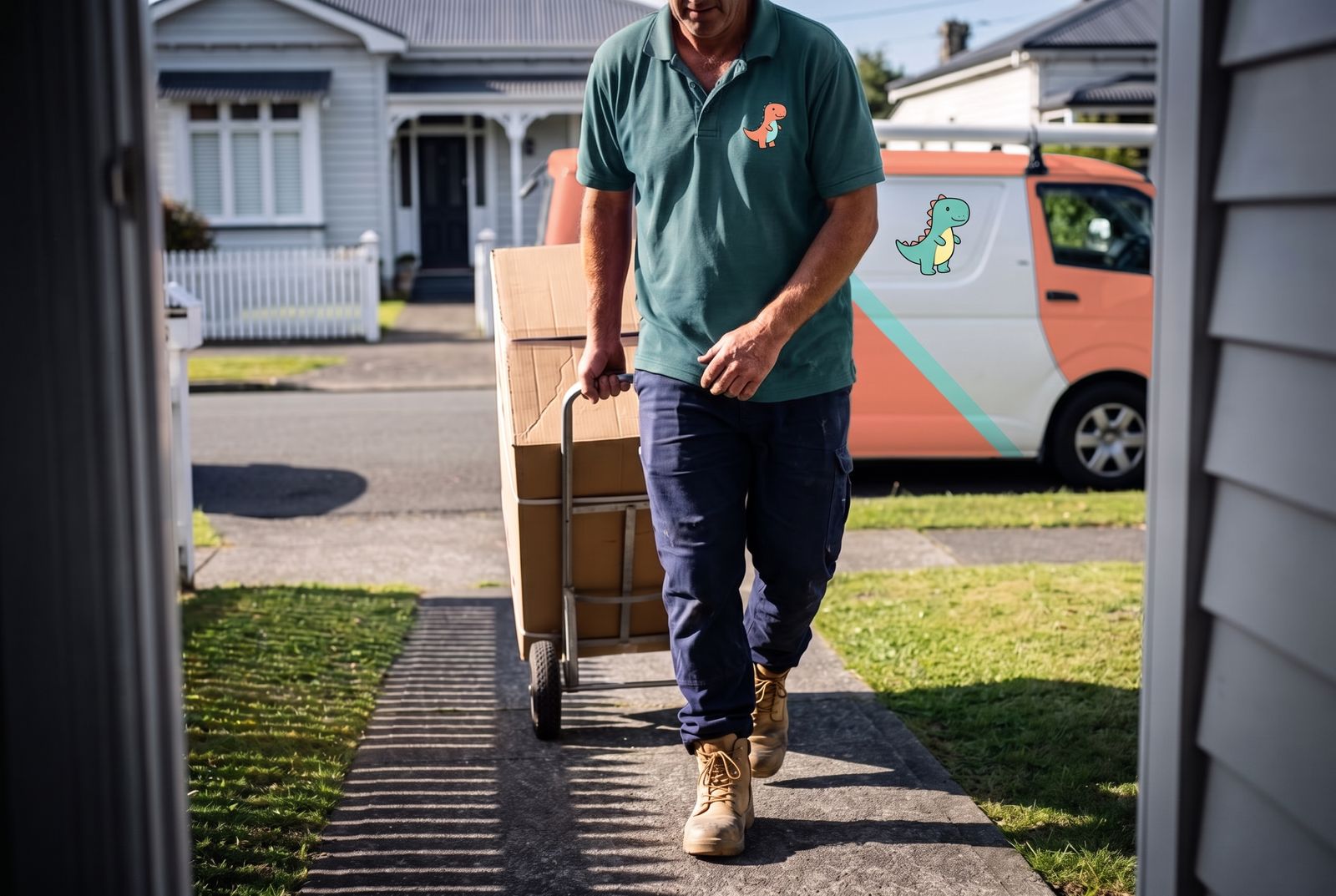
Hot Water Cylinders
Hot water cylinder replacement across Auckland.
View service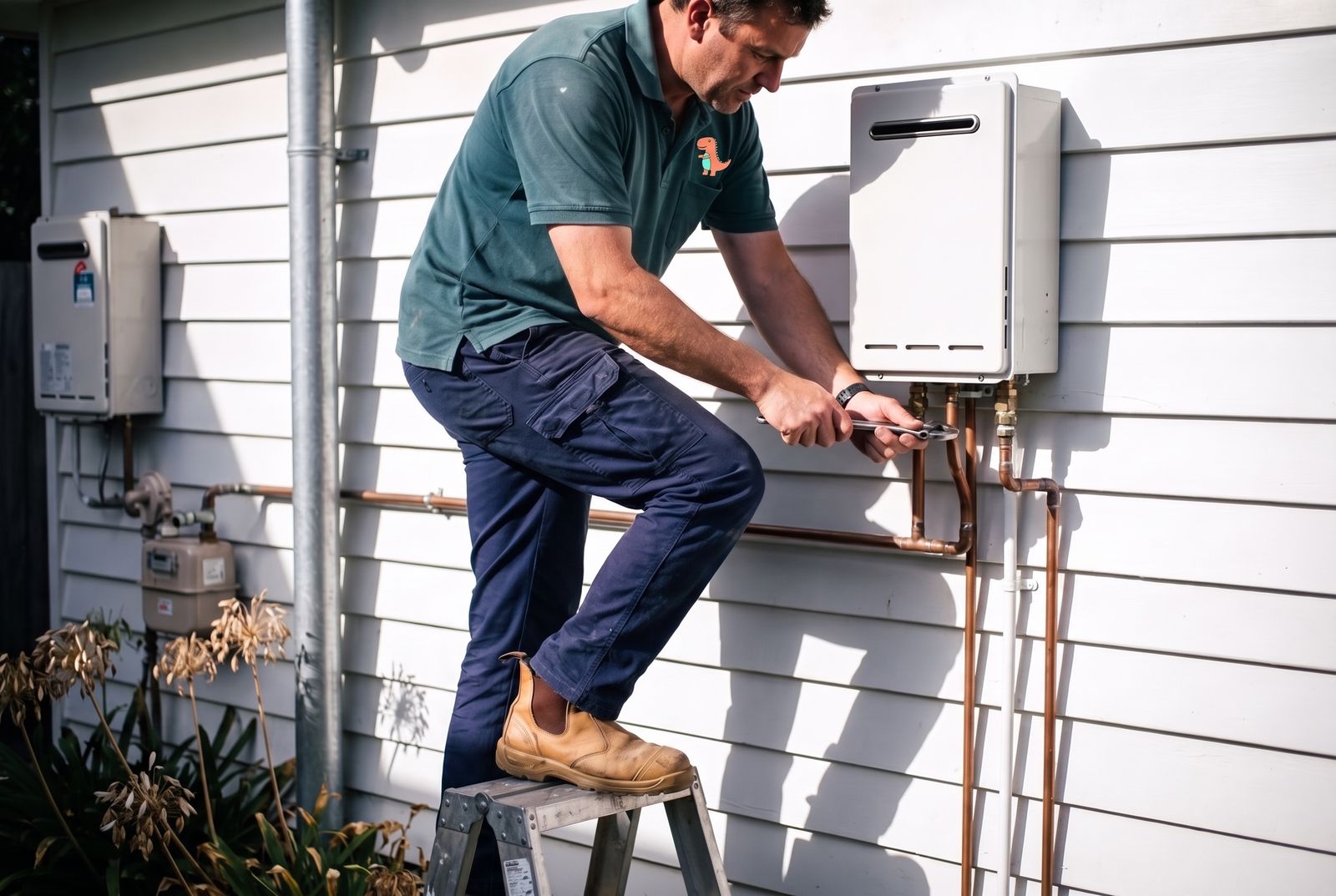
Califont
Continuous flow gas hot water heats only what you use, so you never run out mid-shower.
View service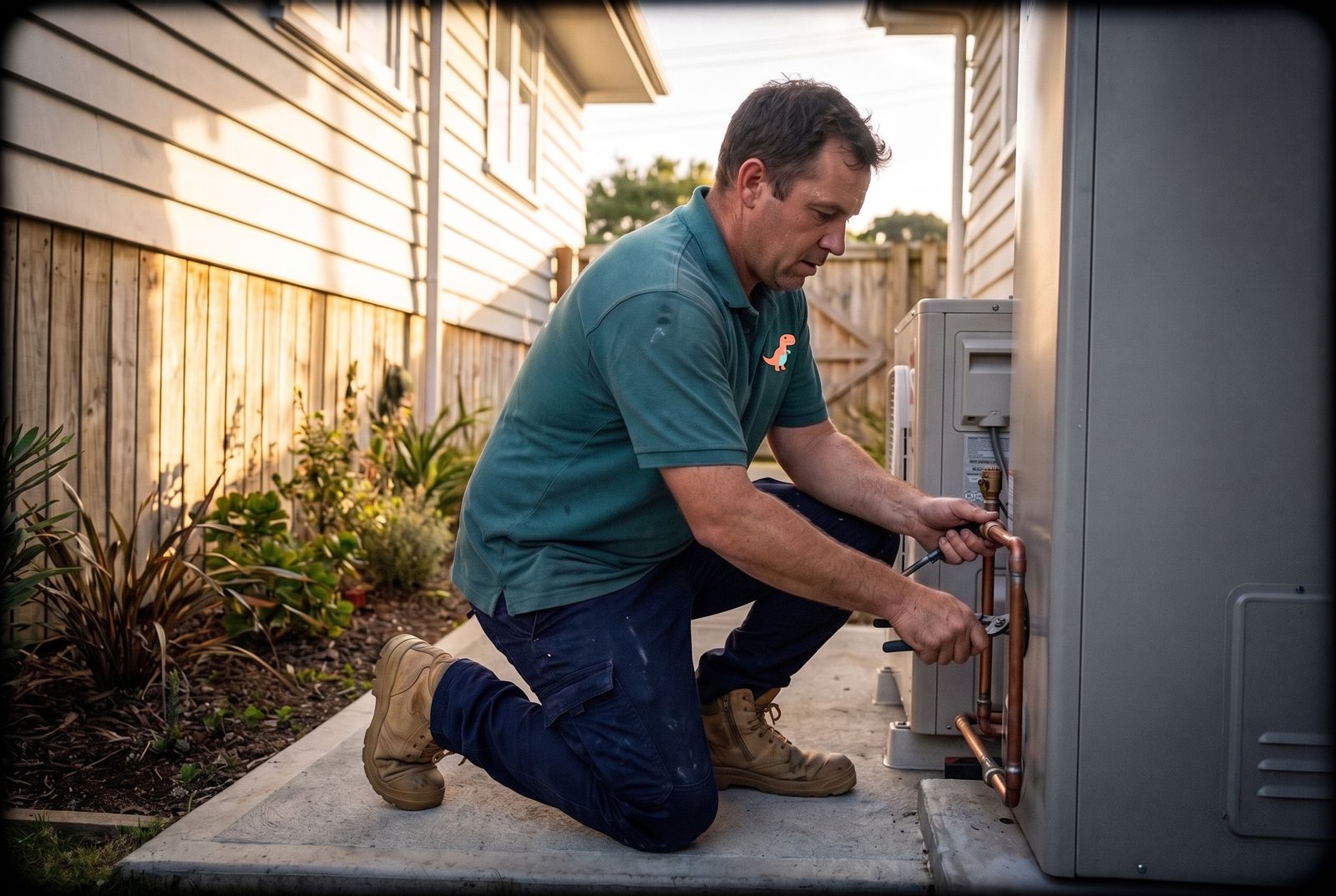
Heat Pump Hot Water
Heat pump hot water systems use up to 70 percent less power than a standard electric cylinder.
View serviceRead Next
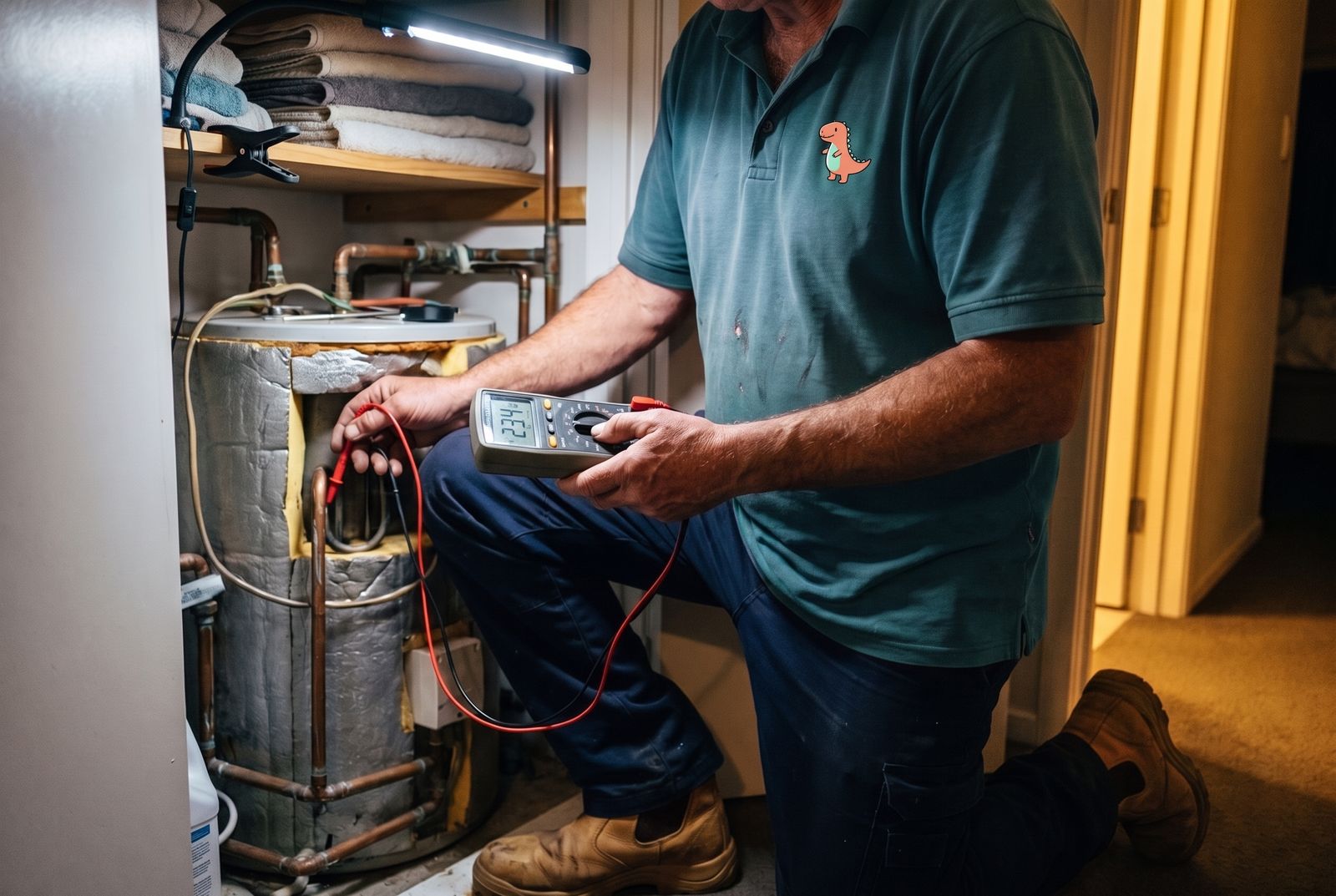
What Temperature Should Your Hot Water Cylinder Be Set At?
In New Zealand a hot water cylinder should store water at 60°C or higher, so it kills Legionella bacteria. Water...
Read article
Leaking Hot Water Cylinder: Causes, Lifespan and What to Do Now
A leaking hot water cylinder is usually one of three things: a valve or fitting that has worn out, a relief valve doing...
Read article
Low Water Pressure? How to Increase It in Your Shower and House
To increase water pressure in your shower, first clean the shower head and check that the toby and every isolation...
Read articleSources
More plumbing advice from the Cheeky's Plumbers team.
