
A leaking hot water cylinder is usually one of three things: a valve or fitting that has worn out, a relief valve doing its job because pressure or temperature is too high, or a tank that has corroded through. Valve and fitting leaks are normally a straightforward repair. Water coming from the tank shell itself means the cylinder needs replacing. Turn off the power and the cold supply first, then work out which one you have.
Finding water around the cylinder cupboard is stressful, but the first ten minutes matter more than the diagnosis. If water is pooling, coming through a ceiling or near electrical fittings, switch the cylinder off at the switchboard (or turn the gas off at the meter on a gas unit) and close the cold isolation valve that feeds the cylinder. If you cannot find that valve, shut the whole house off at the toby.
Once the leak is under control, this guide helps you read where the water is coming from, which leaks can be fixed, how long cylinders tend to last in New Zealand, and how house insurance usually treats water damage from a cylinder.
Why is my hot water cylinder leaking?
Most cylinder leaks come from the valves and pipe joints around the tank rather than the tank itself. Where the water appears tells you a lot about the cause.
Look first at the copper drain pipes that run from the valves to the outside of the house. Water dripping from those means a valve is releasing water, which may be normal or may point to a worn valve or high pressure. Water running down the outside of the cylinder from the top usually comes from a union, an isolation valve or the tempering valve. Water appearing at the bottom, with no wet pipes above it, is the one that worries plumbers, because it can mean the inner tank has corroded through.
- Steady drip from a drain pipe outside: expansion control valve or temperature and pressure relief valve
- Wet fittings on top of the cylinder: a loose union, worn isolation valve or failing tempering valve
- Water at the base with dry pipes above: possible tank failure
- Rusty water at the taps as well as a leak: a steel tank breaking down inside
- Water only when the cylinder is heating: pressure rising as the water expands
Can a cylinder leaking from the bottom be fixed?
Sometimes. If the water at the base is actually running down from a fitting above, or from a drain valve or element seal near the bottom, the part can be replaced and the cylinder kept. If the tank shell has rusted or split, it cannot be patched safely and the cylinder has to be replaced.
The way to tell is to dry everything with a towel, wait, and watch where the first drop forms. A plumber will also check the element housing and drain cock on electric cylinders, because those seals sit low on the tank and are easy to mistake for a failed shell. If the leak is genuinely from the body of a steel mains pressure tank, a quality hot water repair is not the answer and a replacement quote is the honest next step. Our short guide on whether to repair or replace a cylinder walks through that decision in more detail.
Is it normal for the overflow pipe to drip?
A small drip is normal on a mains pressure cylinder. When water heats it expands, and the expansion control valve on the cold side lets that extra volume out through its drain pipe. BRANZ's Level guide says it is normal for an expansion control valve to drip roughly 5 litres a day.
A constant stream, a drip that never stops even when the cylinder is not heating, or water from the temperature and pressure relief valve is not normal. That usually points to a worn valve seat, incoming pressure that has crept up, or a thermostat that is letting the water get too hot. Never block or cap a dripping drain pipe. Those valves stop the cylinder from over pressurising, and sealing them off is dangerous. If you are not sure whether your drip is normal, Cheeky's Plumbers can measure the incoming pressure and test both valves in one visit.
Cylinder leaking right now?
Cheeky's Plumbers can tell you whether it is a valve or the tank, and give you a fixed price before any work starts.
How long does a hot water cylinder last in NZ?
Consumer NZ estimates the life expectancy of a hot water cylinder at around 10 to 15 years, and treats failure at about five years as premature. Age is a guide rather than a deadline, because water quality, pressure and how well the valves have been looked after all change the answer.
Steel mains pressure cylinders rely on internal linings and, in many models, a sacrificial anode to slow corrosion. Once that protection is used up, the tank is on borrowed time. If your cylinder is past ten years old and has started leaking from anywhere other than an obvious fitting, it is worth pricing a replacement before you spend on repairs.
| Symptom | Likely cause | Usual outcome |
|---|---|---|
| Small drip from drain pipe while heating | Normal expansion discharge | No repair needed |
| Constant flow from drain pipe | Worn valve or high incoming pressure | Valve replacement, sometimes a pressure limiting valve |
| Wet fittings on top of the cylinder | Loose union or worn isolation valve | Fitting repair |
| Leak at the element or drain cock | Failed seal | Seal or part replacement |
| Water from the tank shell | Corroded or split tank | Replace the cylinder |
How long do copper hot water cylinders last?
Copper low pressure cylinders often outlast steel mains pressure ones, because copper resists corrosion well and the tank runs at a much lower pressure. It is common to find old copper cylinders in villas and bungalows still holding water decades after they were fitted, with only their valves and elements replaced along the way.
That pattern shows up in older suburbs. Ponsonby and Grey Lynn are full of Victorian and Edwardian timber villas, and many still have low pressure copper cylinders in a hallway cupboard. When one of those starts leaking, the cause is more often a valve, element seal or header tank fitting than the copper itself, so a hot water repair in Grey Lynn or Ponsonby is usually worth trying first. Copper does eventually fail too, typically as pinhole leaks or weeping seams, and then replacement is the only option.
Is a leaking hot water cylinder covered by insurance?
The water damage may be covered, but the cylinder itself usually is not. The Insurance Council of New Zealand explains that house policies are designed for sudden, accidental damage and that damage which develops over time, such as gradual water damage from wear, corrosion or rot, is typically excluded.
A cylinder that bursts suddenly and floods the house is the kind of event most policies respond to. A slow leak that has been soaking the floor for months is not. Many policies now include a limited benefit for hidden gradual damage from internal tanks and pipes, but it has a dollar cap and conditions. Check your own policy wording, photograph the damage before anything is moved, and keep the plumber's report on what failed and why.
When should you call a plumber about a leaking cylinder?
Call straight away if water is coming through a ceiling, near the switchboard, or from the tank body, or if the leak will not stop with the cold supply turned off. A drip from a drain pipe can wait for a booked visit, but do not leave it for weeks because the water and power are still being wasted.
Cheeky's Plumbers handles cylinder leaks across Auckland, from valve swaps on villa copper cylinders to same day replacements in tight townhouse cupboards. For a flood after hours, our emergency plumber team is available 24/7. If the leak is somewhere you cannot see, such as inside a wall near the cylinder cupboard, leak detection finds the source before anything gets cut open. You can also book a plumber online and pick a time that suits.
Frequently Asked Questions
Can I keep using hot water if the cylinder is leaking?
If the leak is a slow drip from a drain pipe, you can usually keep using it until a plumber visits. If water is pooling, coming from the tank body or near electrics, turn the cylinder off at the switchboard and close the cold supply. Using it will only push more water out and risk more damage.
Why is my cylinder leaking only at night?
Many cylinders heat overnight on cheaper power, and mains pressure in some streets is higher late at night when demand is low. Both raise the pressure on the valves, so a worn expansion valve or relief valve may only discharge then. A pressure check usually confirms which one it is.
How do I turn off the water to my hot water cylinder?
Look for an isolation valve on the cold pipe going into the cylinder, usually near the bottom or on the side. Turn it clockwise until it stops. If there is no valve, or it will not turn, shut the whole property off at the water toby near your front boundary.
Should I drain the cylinder if it is leaking?
Not usually. Draining a cylinder takes time, needs the power off first and can make some leaks worse as fittings move. Turning off the power and the cold supply is enough to stop most leaks. Leave draining to the plumber who will be doing the repair or replacement.
Can a leaking cylinder cause mould?
Yes. A slow leak into a cupboard floor or wall framing keeps timber and linings damp, which is ideal for mould and rot. Dry the area, keep the cupboard door open and get the leak fixed promptly. If the floor feels soft, ask for it to be checked during the repair.
Does a leaking cylinder use more power?
It can. Every litre of hot water that leaks away is replaced with cold water that has to be heated again, and a relief valve that is releasing hot water constantly keeps the element running. A cylinder that seems to run all day is worth checking for this.
Our Services
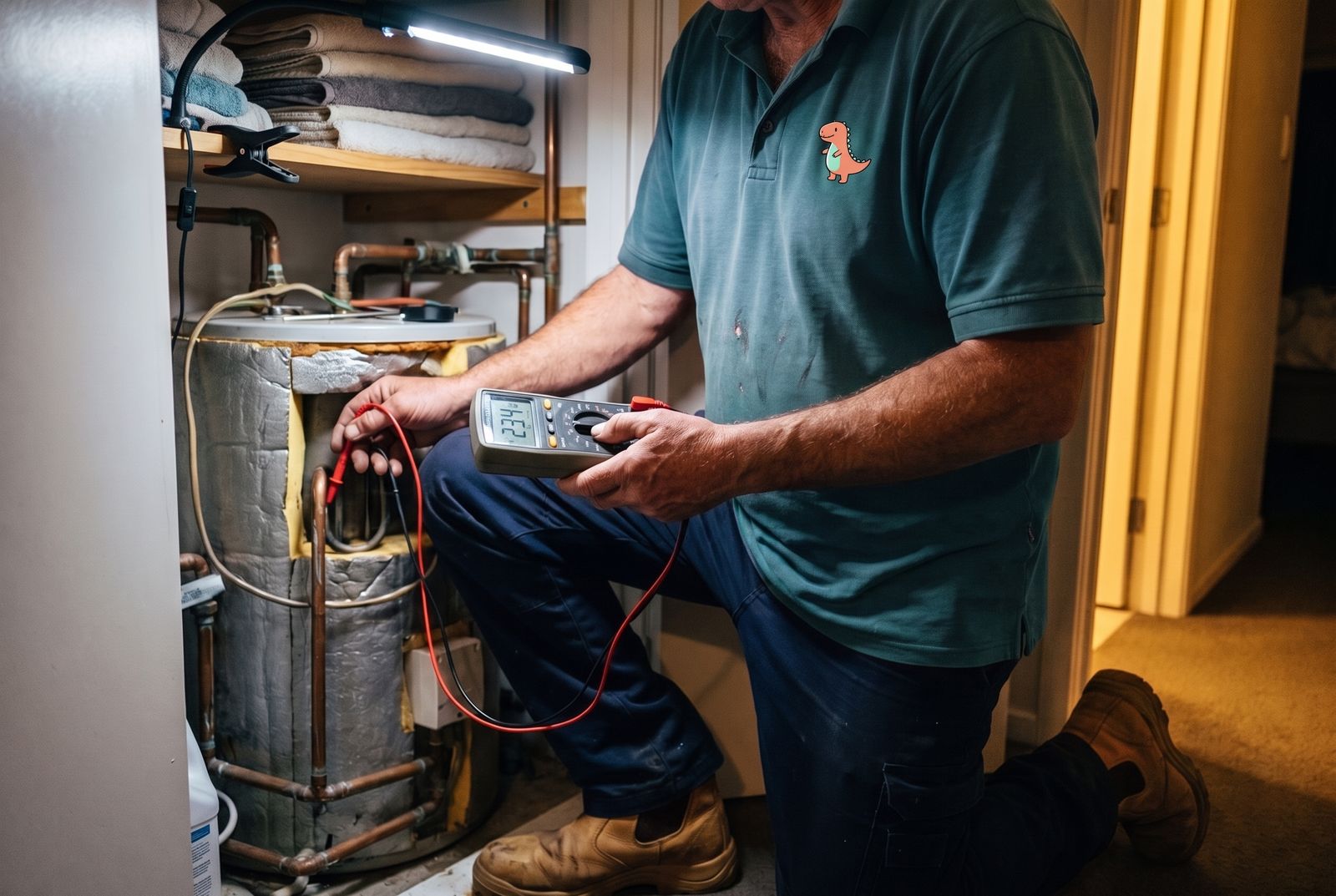
Hot Water Cylinder Repairs
No hot water, not enough hot water, or water that is too hot?
View service
Hot Water Cylinders
Hot water cylinder replacement across Auckland.
View service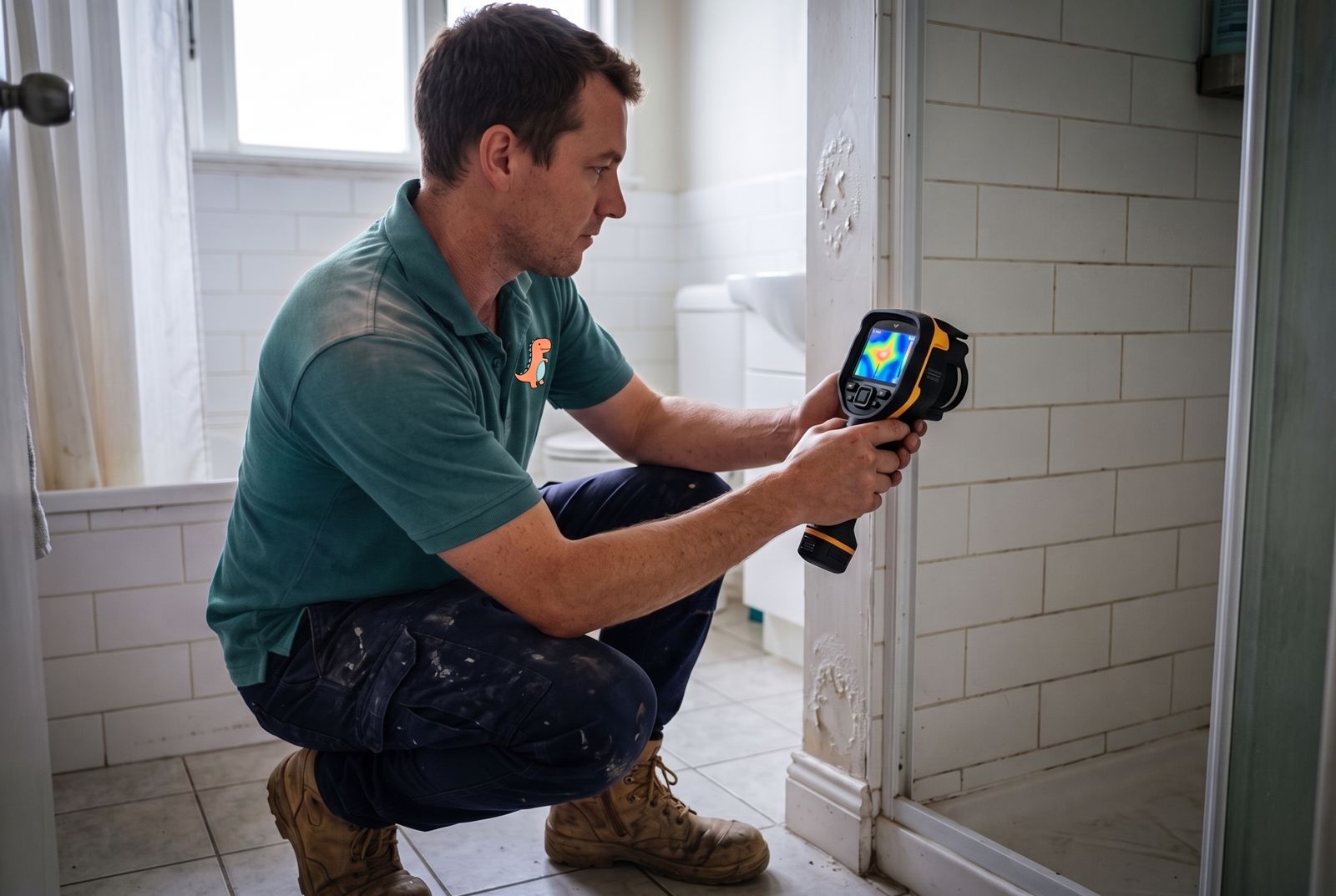
Leak Detection
A hidden leak can quietly add hundreds of dollars to your Watercare bill and rot framing behind your walls.
View serviceRead Next
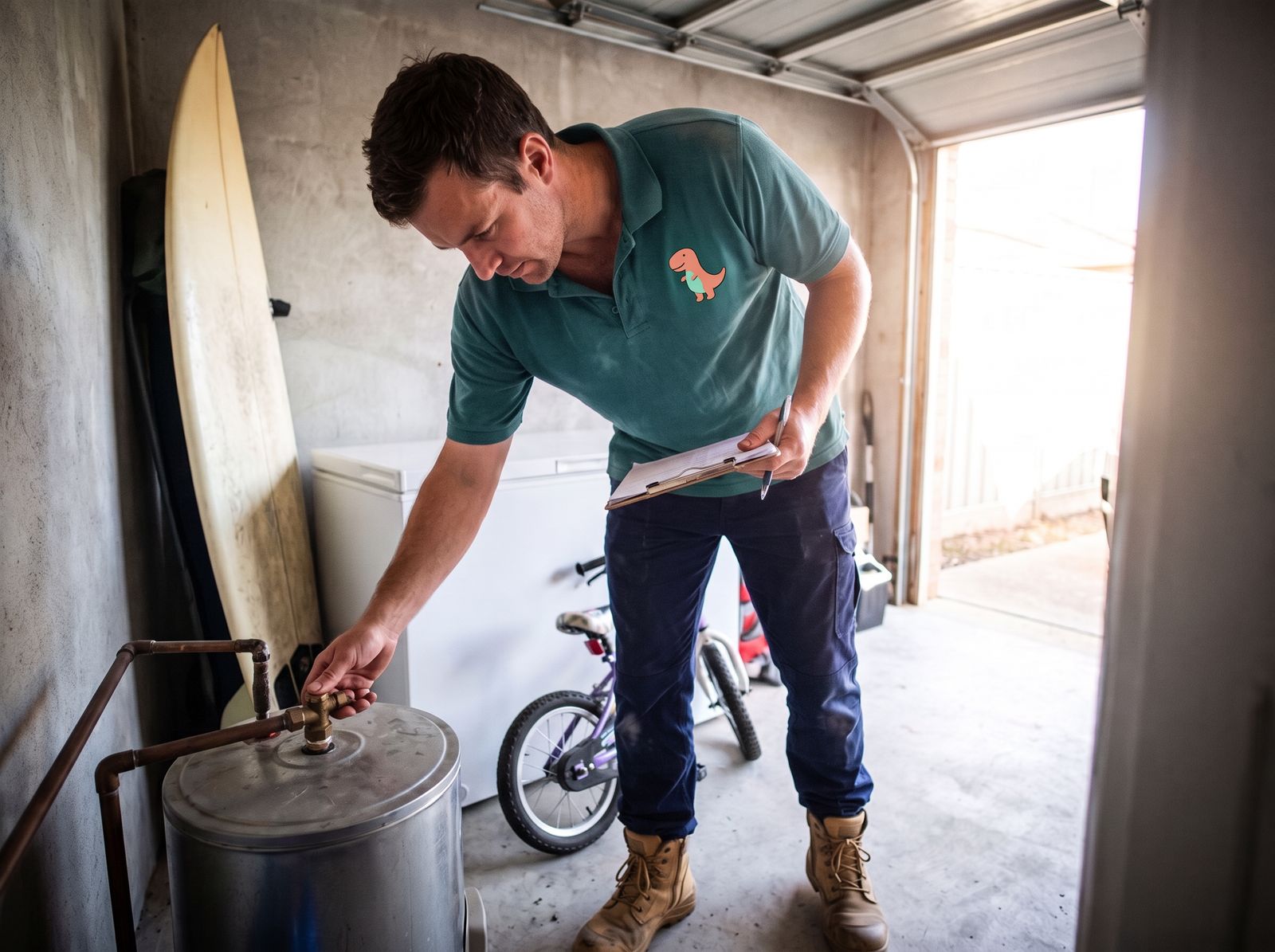
What Temperature Should Your Hot Water Cylinder Be Set At?
In New Zealand a hot water cylinder should store water at 60°C or higher, so it kills Legionella bacteria. Water...
Read article
What Size Hot Water Cylinder Do I Need? NZ Sizing Guide
Most NZ households need roughly 50 litres of stored hot water per person, so a 180 litre cylinder suits two to four...
Read article
Why Do My Pipes Bang? Water Hammer Explained for NZ Homes
Water hammer is the bang you hear when fast moving water in a pipe is stopped suddenly, usually by a quick closing tap,...
Read articleSources
More plumbing advice from the Cheeky's Plumbers team.
