
A tempering valve is a small mixing valve on the hot pipe near your cylinder. It blends cold water into hot so bathroom taps, showers and baths deliver water at a safe temperature, usually 50°C in homes with fixtures installed since November 2024. That lets the cylinder store water at 60°C or more to control Legionella bacteria without scalding anyone at the tap.
Hot water in a New Zealand home has to meet two rules that pull in opposite directions. Stored water needs to be hot enough to stop bacteria growing, and water at the shower needs to be cool enough not to burn. The tempering valve is the part that makes both possible.
This guide explains what a tempering valve does, when the Building Code expects one, the right settings, how to spot a failing valve and why adjusting one is a job for a licensed plumber.
What is a tempering valve?
A tempering valve is a three-port thermostatic valve that takes hot water from the cylinder and cold water from the mains, mixes them, and sends out water at a set temperature. A wax or bimetal element inside reacts to the outlet temperature and adjusts the mix automatically as conditions change.
It usually sits on the hot pipe within a metre or two of the cylinder, often inside the cylinder cupboard, and it supplies the bathroom outlets. Kitchen and laundry taps are commonly left on the untempered hot line, because hotter water is useful there for cleaning.
Think of it as a safety net that works without anyone touching it. If someone runs the kitchen tap while the shower is on, the pressure and temperature of the incoming water change, and the valve's element responds within seconds to keep the bathroom outlet close to its set point. Without it, the only way to keep showers safe would be to store water below 60°C, which is exactly the condition that lets Legionella bacteria multiply in a cylinder.
Our tempering valves service page covers testing, adjustment and replacement in more detail.
Does my hot water cylinder need a tempering valve in NZ?
Almost always, yes. New Zealand Building Code clause G12 limits how hot water can be at personal hygiene fixtures such as basins, baths and showers, and in practice a tempering valve is how a storage cylinder meets that limit.
MBIE's guidance on preventing scalding says that for fixtures installed from 2 November 2024 under the acceptable solutions, the limit in most buildings dropped from 55°C to 50°C. The change is not retrospective, so an older system set at 55°C is not automatically non-compliant. Schools, hospitals and care homes keep a lower 45°C maximum.
If you are having a new cylinder fitted, a tempering valve should be part of the job. Our hot water cylinders page lists what a complete installation includes.
What temperature should a tempering valve be set to?
For a home with bathroom fixtures installed since November 2024, the valve should deliver no more than 50°C at the outlet. Older installations commonly sit at 55°C, which was the limit when they were fitted.
The cylinder thermostat is a separate setting. Consumer NZ recommends hot water is stored at a minimum of 60°C, and notes Health NZ Te Whatu Ora warns against switching cylinders off to save power, because heat is the simplest way to stop Legionella growing.
| Setting | Typical target | Why |
|---|---|---|
| Cylinder storage | 60°C or higher | Controls Legionella bacteria in stored water |
| Bathroom outlets, newer homes | 50°C maximum | G12 scald limit for fixtures installed from 2 Nov 2024 |
| Bathroom outlets, older systems | Up to 55°C | Previous limit; the 2024 change is not retrospective |
| Schools, hospitals, care homes | 45°C maximum | Higher scald risk for children and older people |
Bathroom tap too hot or too cold?
Cheeky's Plumbers can test your tempering valve, set it to the right temperature for your home and replace it if the cartridge has worn out.
What are the signs a tempering valve is failing?
The clearest sign is a change in temperature you did not make. Valves contain a thermostatic element and small inlet strainers, and both wear or clog over time.
Test it simply by running the bathroom hot tap for a minute and comparing it with the kitchen hot tap. A thermometer from the kitchen drawer is enough for a rough check. If the bathroom water feels close to kitchen temperature, or swings noticeably while you watch, the valve needs a professional look. Do not wait for a scald to find out.
- Bathroom hot tap suddenly much hotter than it used to be
- Shower that swings between hot and cold with no change at the mixer
- Lukewarm water at the bathroom while the kitchen tap runs hot
- Hot water flow at the bathroom noticeably weaker than at the kitchen
- Water dripping from the valve body or its fittings
How long does a tempering valve last?
There is no single lifespan, because it depends on the valve make, water quality and how hard the system works. Most manufacturers set a testing and service interval in their instructions, and AS 4032.3 sets out how tempering valves are field tested and maintained.
Auckland's town water is generally soft, according to Watercare, which helps. Sediment from mains work or rust from an ageing cylinder can still block the strainers, and that often shows up first as a weak or erratic bathroom flow. A hot water servicing visit includes checking the delivered temperature and cleaning the strainers, which catches problems before the valve fails completely.
Can I adjust a tempering valve myself?
No. Adjusting a tempering valve changes the safety temperature for everyone using the bathroom, and it is plumbing work that should be done by a licensed plumber who can measure the result at the outlets and record it.
Turning a valve up to fix a lukewarm shower can push water into the scald range, while a worn cartridge often will not hold any setting reliably. The right fix is to test the temperature at the outlet furthest from the valve, check the cartridge responds, clean the strainers and then adjust or replace as needed. If the bathroom suddenly runs too hot or too cold, book a hot water repairs visit rather than reaching for a spanner.
Tempering valves in older Auckland homes
Older homes often have the most to gain from a check. In Remuera, where many large Edwardian and mid-century houses have long pipe runs from the cylinder to upstairs bathrooms, the outlet furthest away is where temperature problems show first. In Devonport, many timber villas still have cylinders in tight hallway cupboards where a valve was added years after the original install.
Cheeky's Plumbers tests delivered temperatures at the outlets, not just at the valve, and leaves a record of the setting so you know where your system stands. If you want it checked, you can book online in a couple of minutes.
Frequently Asked Questions
Is a tempering valve the same as a thermostatic mixing valve?
They do a similar job. A thermostatic mixing valve is a higher-performance type used in hospitals, aged care and early learning centres. It holds temperature more tightly and shuts off the hot supply if the cold fails. Most homes use a tempering valve.
Does a heat pump water heater need a tempering valve?
Yes. A heat pump water heater stores hot water just like a standard cylinder, so the same scald limits apply at bathroom fixtures and a tempering valve is fitted on the outlet.
Why is my kitchen tap hotter than my bathroom tap?
That is normal in most homes. The kitchen is often fed from the untempered hot line, so it receives water closer to cylinder temperature, while the bathroom goes through the tempering valve.
Can a tempering valve cause low hot water pressure?
Yes. Blocked inlet strainers or a sticking cartridge restrict flow, so the bathroom hot water can be weak even though the cylinder is fine. Cleaning the strainers often restores it.
Do continuous flow gas heaters need a tempering valve?
Many continuous flow units have a built-in temperature limit that can be set to meet the Building Code. Whether an extra valve is required depends on the model and how it is installed, so check with your plumber.
Our Services
Tempering Valves
Tempering valves and thermostatic mixing valves tested, adjusted and replaced, so bathroom taps stay below scalding point while your cylinder stays hot enough to control Legionella.
View service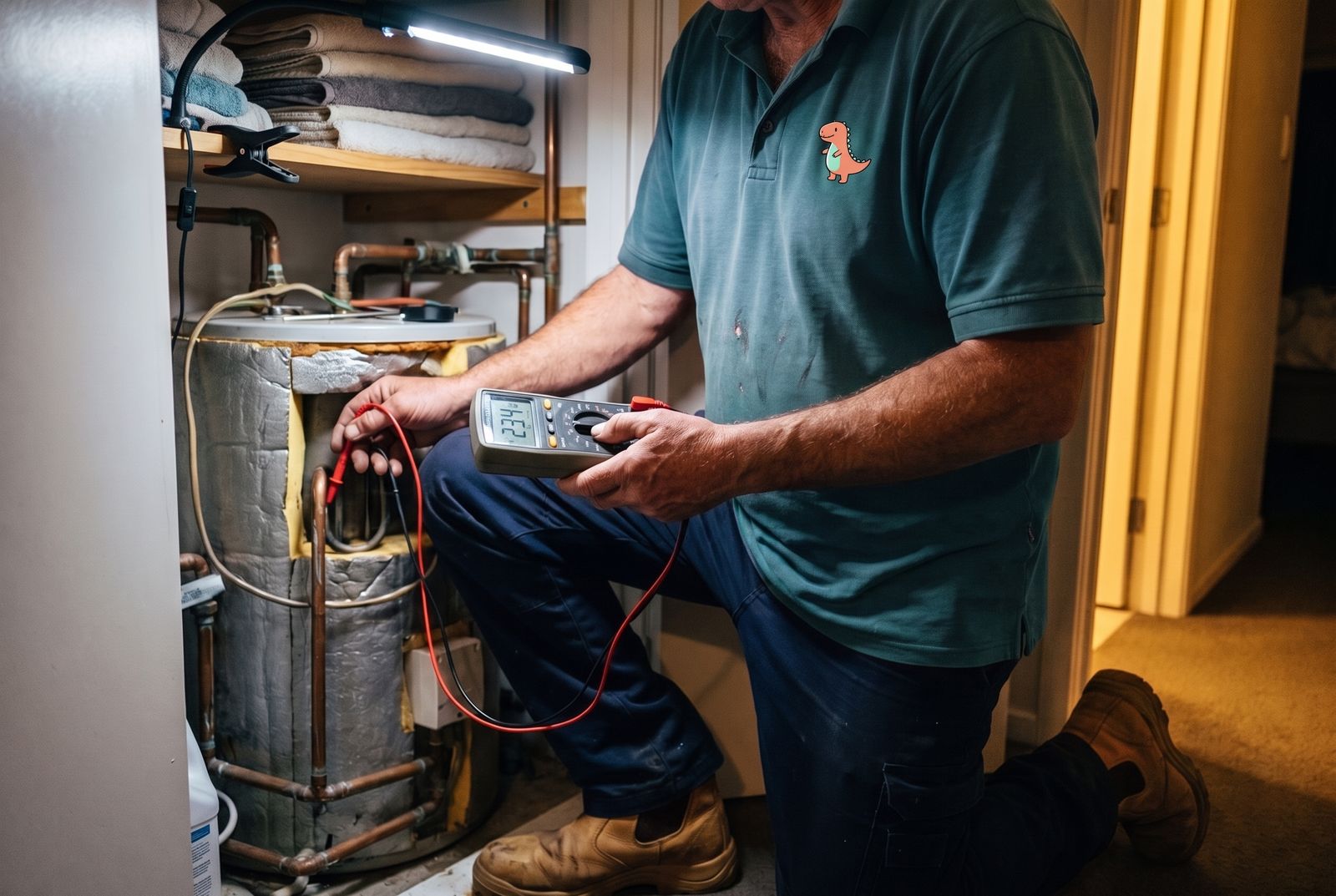
Hot Water Cylinder Repairs
No hot water, not enough hot water, or water that is too hot?
View service
Hot Water Servicing
A quick service checks your valves, element and pressure so your cylinder lasts longer and stays safe.
View serviceRead Next
Hot Water Heat Pumps in NZ: Costs, Savings and Are They Worth It?
A hot water heat pump usually costs several thousand dollars more upfront than a standard electric cylinder. Consumer...
Read article
How Much Does It Cost to Replace a Hot Water Cylinder in NZ?
The cost to replace a hot water cylinder in NZ depends mostly on the type you choose. A like-for-like electric swap is...
Read article
What Temperature Should Your Hot Water Cylinder Be Set At?
In New Zealand a hot water cylinder should store water at 60°C or higher, so it kills Legionella bacteria. Water...
Read articleSources
More plumbing advice from the Cheeky's Plumbers team.
